 Save to Pinterest
 My grandmother kept a jar of beef tallow in her kitchen cold box, saved from Sunday roasts, and the first time she let me use it for potatoes, I understood why roasting was her superpower. There's something almost primal about the sizzle when you slide potatoes into that shimmering fat—the smell fills the whole house in minutes, rich and meaty in a way butter never quite manages. She'd hum while tossing them halfway through, checking for that perfect golden crust, and somehow her kitchen always felt like the warmest place in the world on those afternoons.
I made these for the first time solo when I was trying to impress someone, and I actually burned the first batch because I turned up the heat out of anxiety and then forgot to flip them. The second attempt came out perfect, and that person—who turned out to matter—always called them the potatoes I nearly ruined before I nailed them. It became our joke, and now every time I make them, I remember that moment when the right thing almost didn't happen because I was too nervous to trust the process.
Ingredients
- Yukon Gold or Russet potatoes (2 pounds): Yukon Golds stay creamy inside even when roasted hard, while Russets get fluffier and soak up the tallow flavor more aggressively—choose based on your mood, but cut them all to the same 2-inch size so they cook evenly.
- Beef tallow (1/3 cup): This is the secret that changes everything; it has a higher smoke point than butter and creates a crust that's genuinely crispy, not just golden, and you can source it from a butcher shop or render it yourself if you're feeling ambitious.
- Kosher salt (1 1/2 teaspoons, plus more to taste): Salt early in the water, then taste after roasting—the tallow mutes seasoning slightly, so you might need a generous pinch at the end.
- Freshly ground black pepper (1/2 teaspoon): Grind it yourself if you can; pre-ground loses its bite after a few months and you want that sharp contrast against the richness.
- Fresh rosemary or thyme (2 tablespoons, optional): Chop these finely so the flavor spreads evenly, and you can infuse them into the tallow for a more subtle flavor or just scatter them raw over the finished potatoes for brightness.
- Garlic cloves (2, smashed, optional): Smashing them releases oils without splitting them into small pieces that burn; remove them after infusing the tallow so they don't scorch and turn bitter.
Tired of Takeout? 🥡
Get 10 meals you can make faster than delivery arrives. Seriously.
One email. No spam. Unsubscribe anytime.
Instructions
- Get your sheet screaming hot:
- Set the oven to 425°F and slide that rimmed baking sheet inside right away—it needs a good 10 minutes to get properly hot, and a cold sheet is the quickest way to end up with steamed potatoes instead of crispy ones.
- Parboil with purpose:
- Boil the potatoes in salted water for 8 to 10 minutes until the edges just soften; you're not cooking them through, just enough so they'll finish cooking inside while the outside gets crispy.
- Rough them up:
- Drain the potatoes and shake them gently in the pot—you want the outside edges to break down slightly and get fluffy, which creates more surface area for browning.
- Infuse the fat:
- Melt the tallow gently and if you're using garlic and herbs, add them now and let them whisper their flavor into the fat for a minute or two, then fish them out so they don't burn and turn acrid.
- Coat the sheet:
- Pull out the blistering hot baking sheet (careful, it's furious), pour half the tallow on it, tilt and roll it around to coat the surface evenly.
- Arrange and dress:
- Spread the potatoes in a single layer so they're not crowded, drizzle the rest of the tallow over them, and season aggressively with salt and pepper.
- First roast:
- Roast undisturbed for 20 minutes; you want them to develop a golden-brown face on the bottom without fussing.
- Flip and finish:
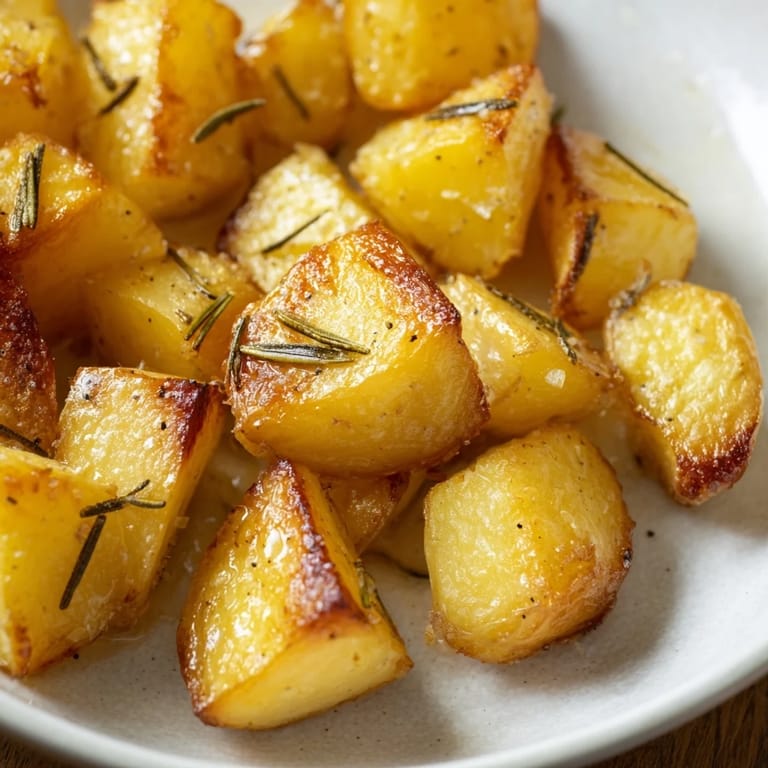
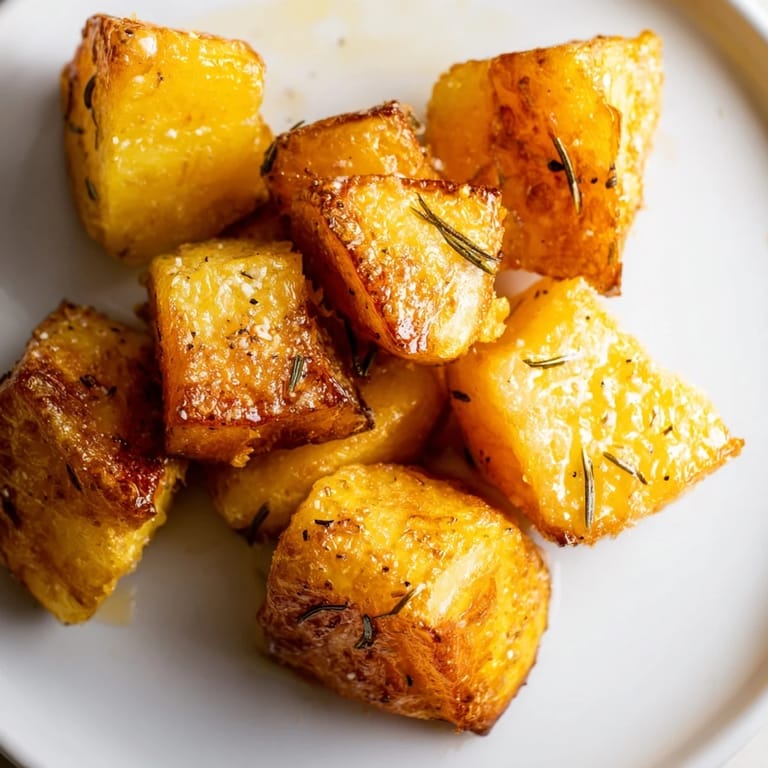
- Turn each potato so the uncooked side gets its turn at the heat, then roast for another 20 to 25 minutes until every side is golden and the outside shatters when you break it open.
- Taste and serve:
- Pull them out, toss with fresh herbs if you're feeling it, taste one to make sure the seasoning is right (remember, you might need more salt), and serve while they're still at their crispiest.
 Save to Pinterest
 There was a winter evening when everything else fell apart—bad day, spilled coffee, the kind of day that makes you want to disappear—and I made these potatoes almost without thinking, muscle memory guiding my hands. By the time they came out of the oven, the smell had somehow reset the whole room, and I sat on the kitchen counter eating them straight off the pan, one by one, and felt something shift back into place. Food doesn't fix everything, but sometimes it fixes the moment, and that's enough.
Why Beef Tallow Is Not Your Enemy
Tallow used to be how everyone cooked, and then we got scared of it, but it turns out that fear was a little misguided—it's pure rendered beef fat with no additives, it smokes at higher temperatures than butter which means it gets crispier, and it's actually less processed than most of what we've been using instead. The flavor is bold and unapologetically meaty, which pairs perfectly with potatoes because they're basically flavor sponges. If beef tallow feels like too much, duck fat or goose fat will give you similar crispiness with a slightly different character, but once you try the beef version, it becomes hard to go back.
The Art of the Parboil
Parboiling is when patience gets rewarded—you're not fully cooking the potatoes, just softening the edges enough that they'll finish cooking in the oven while the outside turns golden and shatters. Underparboil them and you'll end up with raw centers; overparboil them and they'll disintegrate into mush, so that 8 to 10 minute window matters. The water should be salted generously because it's the only seasoning that gets inside, and you can tell you're done when you stick a fork in and there's just a tiny bit of resistance at the core.
Making This Your Own
The beauty of this recipe is how forgiving it is to improvisation—you can scatter them with smoked paprika or a pinch of chili flakes for heat, dress them with different herbs depending on what you have, or even add a spoonful of Dijon mustard mixed into a light glaze if you're feeling fancy. The fundamentals stay the same: hot sheet, good fat, proper seasoning, and patience. Here's what usually makes the difference between good and absolutely crave-worthy.
- Taste a potato straight from the oven and add more salt if needed—the richness of the tallow can mask seasoning until you bite into it.
- Don't crowd the pan; potatoes need space to breathe and brown, not steam against each other in a pile.
- Serve immediately because they cool fast and start losing that shatter, so time these to finish right when everything else is ready.
 Save to Pinterest
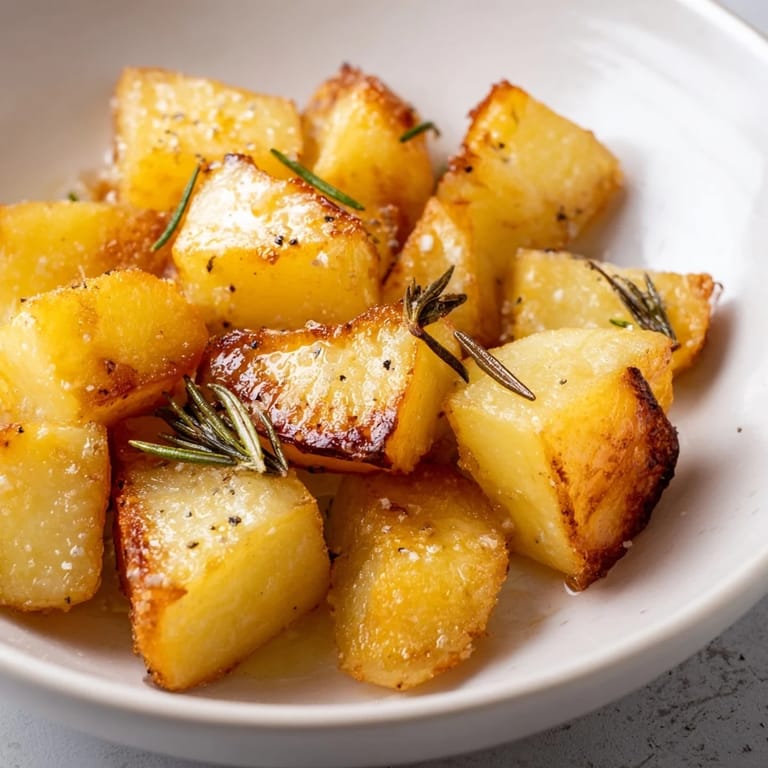
 These potatoes are honest food, the kind that doesn't pretend to be anything fancier than what it is—just potatoes and fat cooked until something small becomes something worth savoring. Make them, serve them alongside whatever meat matters to you, and watch people light up when they taste that crust.
Answers to Recipe Questions
- → Why use beef tallow to roast potatoes?
Beef tallow imparts a rich, savory flavor and helps create an exceptionally crispy exterior while keeping the inside fluffy.
- → Can I substitute beef tallow with other fats?
Yes, duck fat or goose fat work well and provide unique flavor variations while maintaining crispiness.
- → What’s the purpose of boiling potatoes before roasting?
Boiling softens the potatoes slightly and roughens edges for better crisping when roasted.
- → How do fresh herbs enhance the dish?
Fresh rosemary or thyme add aromatic, earthy notes that complement the richness of beef tallow and potatoes.
- → Can these potatoes be made spicier?
Adding smoked paprika or chili flakes before roasting adds a subtle heat and smoky depth to the flavor profile.