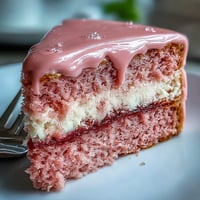
 Save to Pinterest
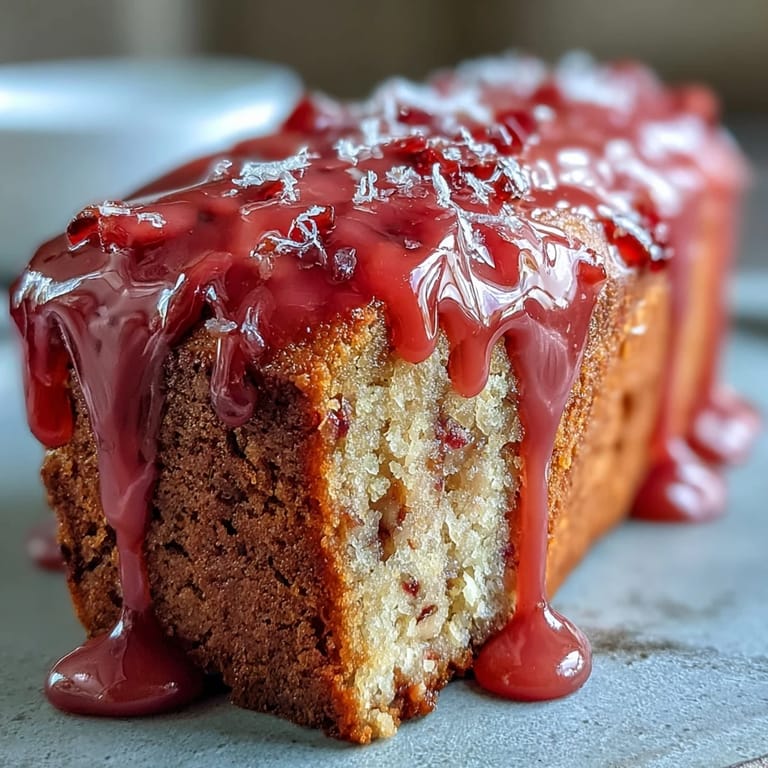
 The first time I tackled a blood orange polenta cake, the kitchen was awash with that heady, almost floral citrus fragrance that only blood oranges can offer—it was downright intoxicating. I didn’t start with a celebration in mind, just an impulse sparked by finding a stash of blushing oranges at the market. Squeezing them, my hands turned streaky pink, and I couldn’t help but smile at how cheerful the batter looked in the mixing bowl. Glazing the cake, the vivid color dripped mesmerizingly over its rustic edges, instantly brightening the gray afternoon. It was the kind of bake that turns an ordinary day into something quietly memorable.
I once baked this for my friend’s birthday in early spring, when blood oranges were just about to disappear from the shelves. We were huddled in my kitchen, sipping coffee while I peeled zests—she told me about her work drama, I tried not to eat too much of the batter, and by the time the rosy glaze was dripping, it felt like we’d both shaken off the winter blues.
Ingredients
- Unsalted butter (200g): Using softened butter makes creaming effortless and ensures everything whips up fluffy—I always take it out first thing in the morning to be safe.
- Caster sugar (200g): This fine sugar dissolves easily, making the cake tender and subtly sweet.
- Eggs (3 large): Room temperature eggs blend in better and help the cake rise; I usually leave them next to the butter to warm up.
- Zest of 2 blood oranges: The zest is where that unforgettable citrus punch hides—grate only the brightly colored skin to avoid bitterness.
- Fine polenta (100g): Essential for that unique crumb—go for fine grind so the cake isn't gritty.
- Ground almonds (130g): Almonds keep everything super moist and add depth; pulsing your own in a food processor works if you can't find ready-made.
- Gluten-free baking powder (1 ½ tsp): Double check your tin for gluten, especially if baking for someone with allergies.
- Pinch of salt: Just a hint really lets all the flavors pop.
- Blood orange juice (60ml): Freshly squeezed makes all the difference—it gives the crumb a beautiful blush and brightness.
- Vanilla extract (1 tsp): Rounds out the citrus and almond notes; don’t skip it.
- Powdered sugar (120g): For the glaze, make sure to sift out any lumps so you get that silky drizzle.
- Blood orange juice (2–3 tbsp, strained): Strain to avoid pulp bits and get an extra-smooth, jewel-toned glaze you’ll want to show off.
- Slices of blood orange (optional): These look gorgeous piled up top and add a fresh burst of flavor.
- Edible flowers (optional): They’re not necessary, but even a few petals can turn this cake into a centerpiece.
Tired of Takeout? 🥡
Get 10 meals you can make faster than delivery arrives. Seriously.
One email. No spam. Unsubscribe anytime.
Instructions
- Prepare your workspace:
- Set your oven to 170°C (340°F) and butter a 20cm round tin, lining the base with parchment—nothing sticks, and the cake unmolds like a dream.
- Cream the butter and sugar:
- In a big bowl, whip the soft butter and caster sugar until they're pale, airy, and almost doubled in size; the mixture gets lighter in color and feels almost mousse-like.
- Incorporate the eggs:
- Add eggs, one at a time, beating thoroughly between each addition—the batter may look a bit lumpy, but don't worry, it’ll come together.
- Citrus and vanilla boost:
- Stir in the fragrant blood orange zest and a splash of vanilla; your kitchen will already start to smell bright and inviting.
- Add the dry ingredients:
- In a separate bowl, combine polenta, ground almonds, baking powder, and salt, then gently fold the mix into your wet batter so nothing deflates.
- Pour in the juice:
- Splash in freshly squeezed blood orange juice and mix just until it disappears—don’t overwork, or it’ll lose its silky texture.
- Bake to perfection:
- Scoop the batter into your tin, level it off, and pop it in the oven; after 40–45 minutes, a skewer should come out clean and the top will have a gorgeous golden glow.
- Cool it down:
- Let the cake rest in the tin for 10 minutes, then gently turn it onto a wire rack to finish cooling so it doesn’t collapse.
- Make the glaze:
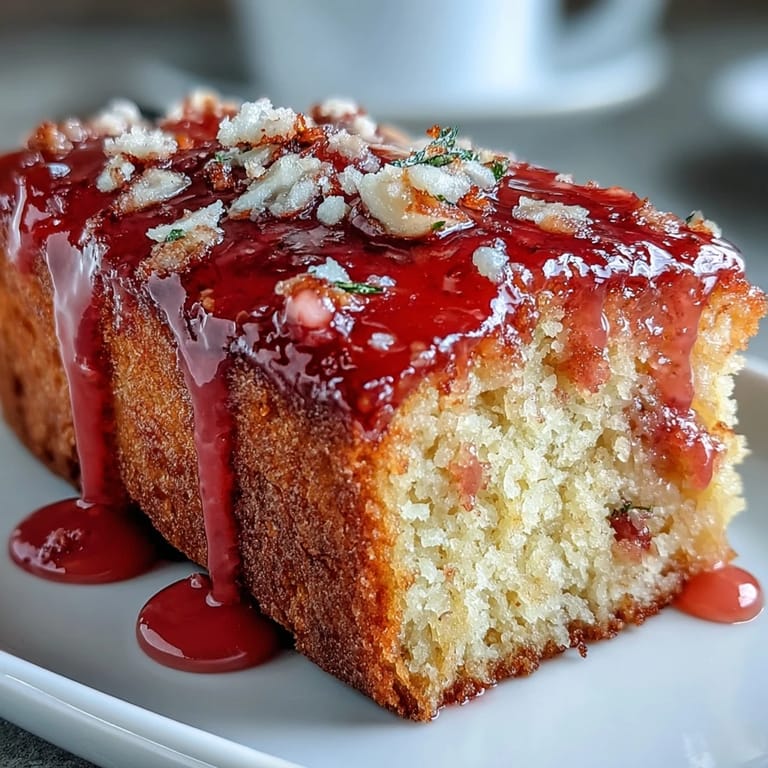
- Sift the powdered sugar into a bowl then gradually add strained blood orange juice, stirring until a smooth, pourable glaze forms—the color should be an irresistible pink.
- Decorate:
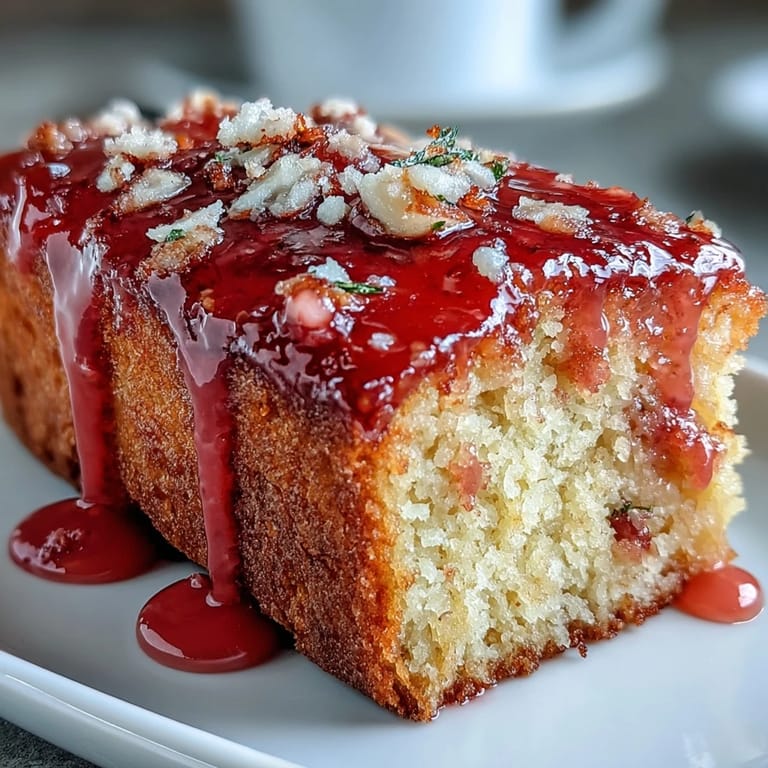
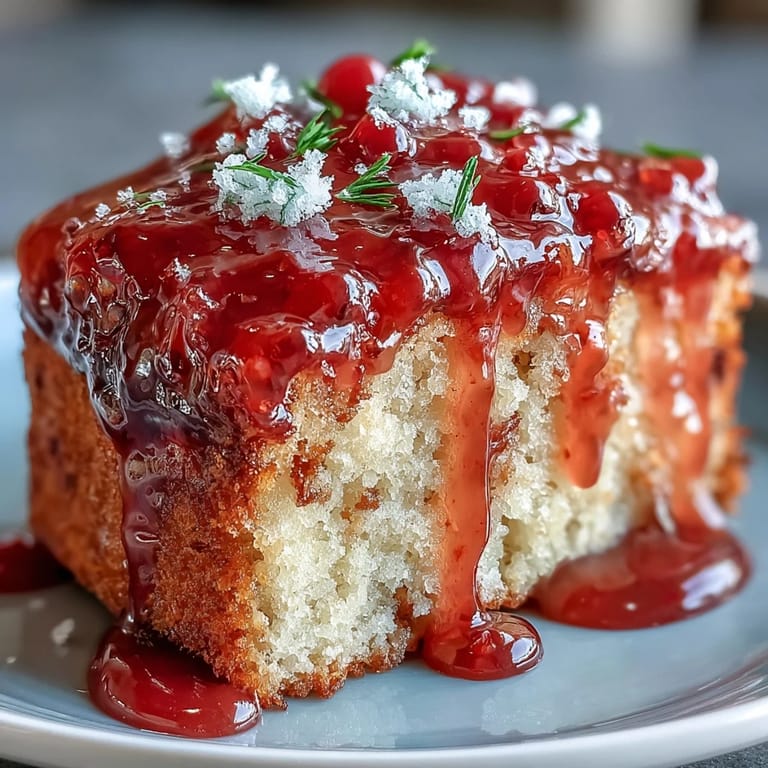
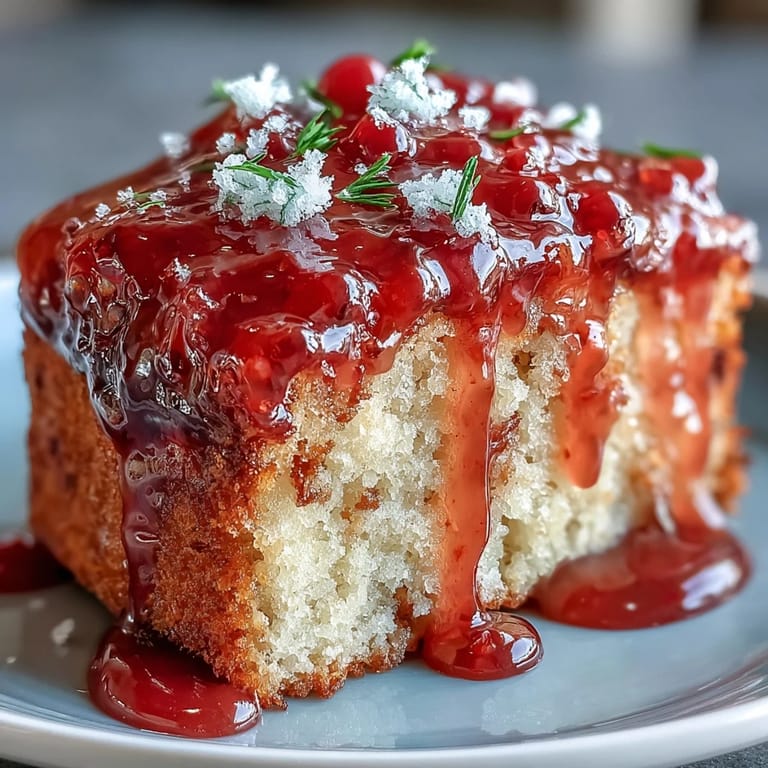
- Once cooled, drizzle the glaze generously over the cake, letting it cascade down the sides; if you like, finish with blood orange slices and a scatter of edible flowers for drama.
 Save to Pinterest
  Save to Pinterest
 When I brought a slice of this to a neighbor last winter, she called the next day asking for ‘the secret to that shockingly pink icing’—something about sharing a cake so bright made a freezing afternoon feel festive for us both.
Getting That Perfect Citrus Flavor
Using blood oranges at their ripest makes a world of difference in both taste and color. If you’re ever tempted to swap in regular oranges, just know the flavor will be milder—still delicious, but missing that floral note only blood oranges offer.
Serving Suggestions for Extra Indulgence
I love adding a dollop of cool crème fraîche or thick Greek yogurt alongside each slice—the creamy tang is a dreamy match for the sweet-tart glaze. Sometimes I even sprinkle a few chopped roasted almonds on top for extra crunch.
Troubleshooting: From Stuck Cakes to Crumb Texture
If you accidentally forget to line your pan, don’t panic—let the cake sit a bit longer in the tin before gently loosening the sides with a spatula. On humid days, I’ve found the glaze might stay a touch soft, so just let it set a little longer before serving.
- If you can’t find blood oranges, try a mix of oranges and a hint of lemon for brightness.
- The cake freezes well if wrapped tightly—just glaze freshly after thawing.
- Be patient: letting the cake cool fully stops the glaze from soaking in too fast.
 Save to Pinterest
  Save to Pinterest
 However you slice it, this blood orange polenta cake brings a flash of color and a welcome bit of cheer to any day. Don’t be surprised if it disappears faster than you think!
Answers to Recipe Questions
- → How do I know when the cake is done?
Insert a skewer into the center; it should come out clean or with a few moist crumbs. The top will be golden and spring back slightly when gently pressed.
- → Can I use regular oranges instead of blood oranges?
Yes. Regular oranges provide similar citrus flavor but the glaze will be paler rather than the distinct pink hue from blood oranges.
- → How can I keep the cake extra moist?
Brush the warm cake with additional blood orange juice or a simple syrup before glazing. Folding a touch more butter into the batter or not overmixing also helps retain moisture.
- → Is polenta interchangeable with flour here?
Fine polenta gives a slightly grainy, tender crumb distinct from wheat flour. You can experiment with a 50/50 mix of ground almonds and gluten-free flour, but texture will change.
- → How should I store leftovers?
Keep the cake loosely covered at room temperature for 1–2 days. For longer storage, refrigerate up to 5 days in an airtight container; bring to room temperature before serving.
- → Can I make the glaze thicker or thinner?
Adjust the powdered sugar-to-juice ratio. Add juice a teaspoon at a time for a thinner, pourable glaze; add more powdered sugar for a thicker spreadable finish.