 Save to Pinterest
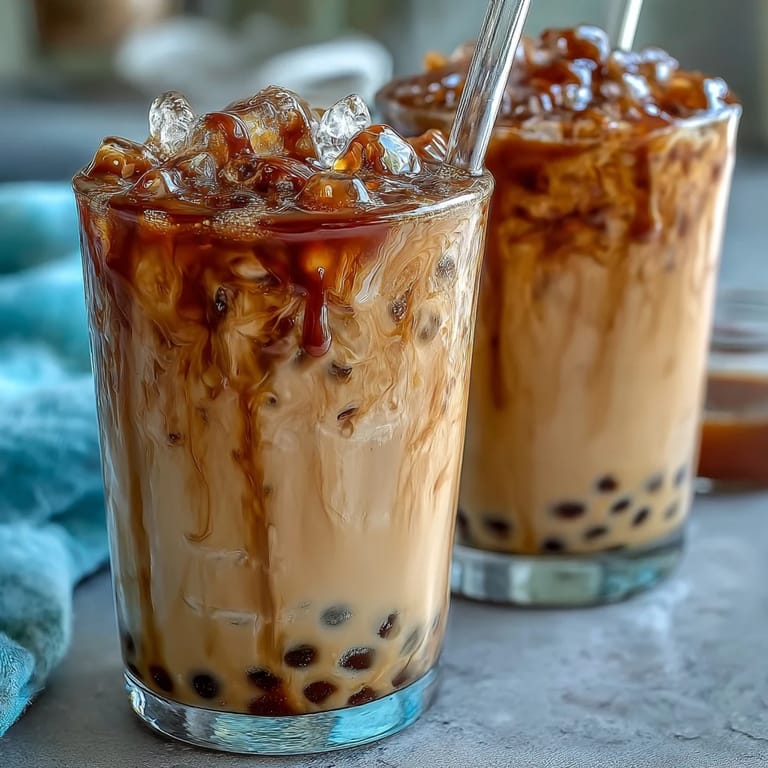
 Not all kitchen experiments end in disaster—sometimes, a weekday craving turns into a ritual. I remember the rhythmic clatter of ice against glass the first time I tried making brown sugar boba milk tea at home, my kitchen perfumed with the scent of caramelized sugar. The bubbling syrup serenaded me as I wondered whether I could truly capture that café magic. As the pearls finished cooking, their shine told me I was onto something good. Somewhere between anticipation and that first cold sip, I understood why people line up for these drinks.
One rainy afternoon, I made this for my roommate who’d never tried bubble tea before. We laughed as we attempted to roll perfect tapioca pearls—ours landed somewhere between marbles and misshapen beads, but they tasted like triumph. Watching the brown sugar syrup paint wild patterns along the glass felt oddly celebratory. We couldn’t help but marvel at how easy it was to replicate something we’d always bought from shops. By the time we slurped the last pearls with wide straws, our kitchen felt like the coziest little café in town.
Ingredients
- Tapioca starch: I learned quickly that using just the right amount—and lots of dusting—keeps these pearls chewy instead of dense.
- Brown sugar: Dark brown sugar gives both the pearls and syrup their caramel richness that shop-bought drinks struggle to replicate.
- Black tea: A robust Assam or breakfast blend transforms into a fragrant, sturdy tea base that holds up to milk and sugar.
- Whole milk (or oat milk): Experimenting with milks led me to oat milk for a creamy vegan option, but classic whole milk delivers the richest flavor.
- Ice cubes: Don’t skip them—the contrast of cold tea and warm pearls is half the fun.
Tired of Takeout? 🥡
Get 10 meals you can make faster than delivery arrives. Seriously.
One email. No spam. Unsubscribe anytime.
Instructions
- Start the Pearls:
- Whisk brown sugar and water in a saucepan over gentle heat until the sugar dissolves and the aroma starts to deepen.
- Make Dough and Shape Pearls:
- Add tapioca starch off-heat, stirring until you get a sticky dough, then knead with more starch until pliable and smooth.
- Roll and Boil:
- Dust the work surface, roll dough into skinny ropes, and pinch off pea-sized bits, rolling them into pearls. Toss into briskly boiling water, stirring to avoid sticking, and let simmer until translucent and chewy.
- Syrup Soak:
- In a fresh pan, melt brown sugar with water to make a thick syrup, then let the cooked pearls bathe in it for extra shine and flavor.
- Brew the Tea:
- Steep black tea in hot water until robust, then sweeten if you like and swirl in cold milk for a dreamy base.
- Layer and Serve:
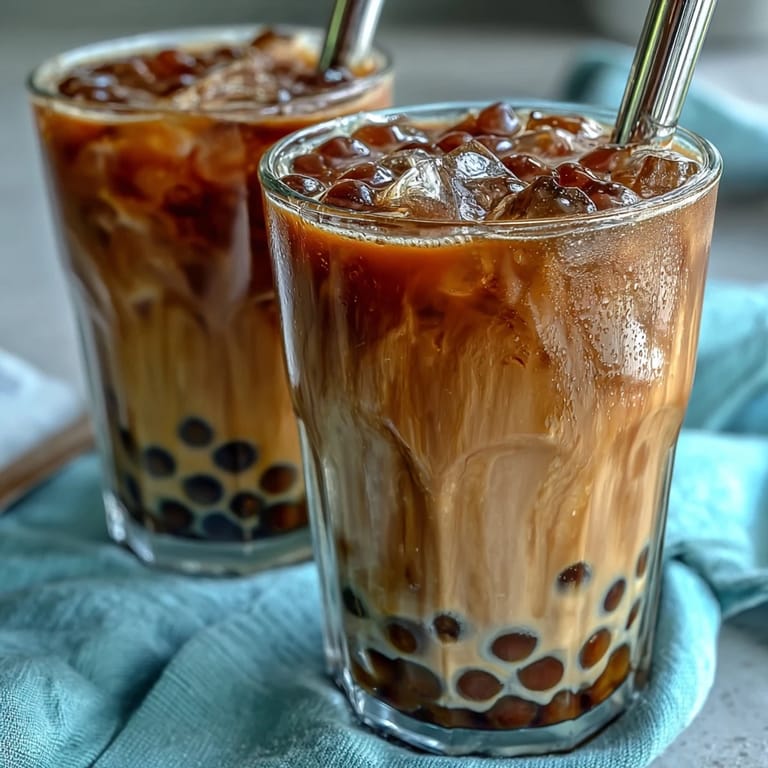
- Spoon warm pearls and generous syrup into your glass, swirl, tumble in ice, and top up with your lush milk tea. Stir lightly and serve with an extra-wide straw.
 Save to Pinterest
  Save to Pinterest
 I once surprised my sister with a glass just after her exams finished—the look on her face as she fished out stringy pearls made with my own clumsy hands was a quiet high point in my week. That moment turned an ordinary drink into a reminder of small, sweet victories worth celebrating.
Getting the Pearls Just Right
I definitely learned the hard way that too much tapioca starch makes pearls tough, while too little leaves them a sticky mess. If the dough feels sticky but still holds its shape, just dust your hands lightly—resist the urge to add more starch unless you must. The best pearls are glossy and bounce back when bitten.
Swirl for Drama
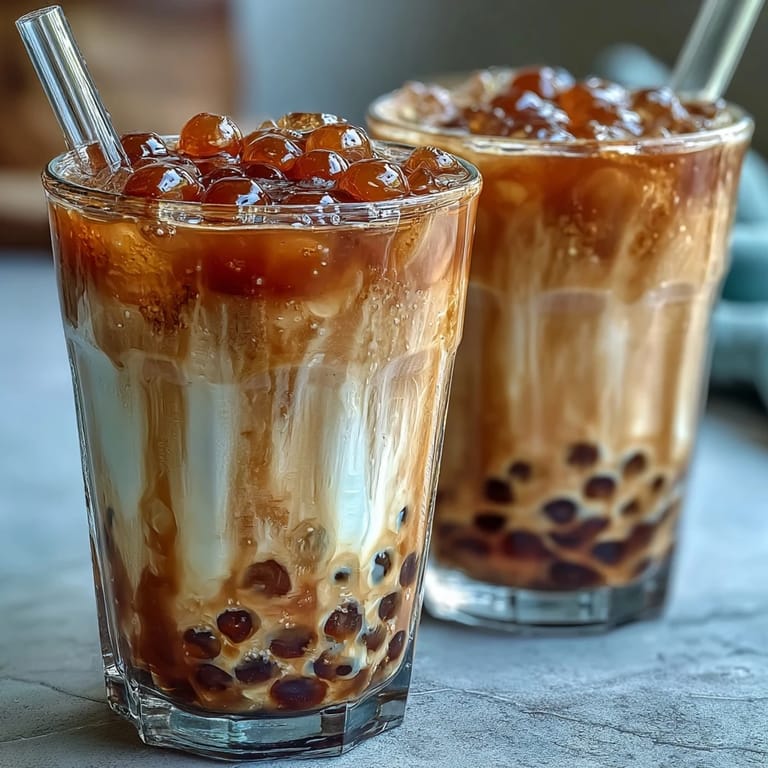
Drizzling the hot brown sugar syrup around the glass before adding ice and tea isn’t just for looks—it makes each sip taste different, starting intensely sweet and ending mellow. Swirling the glass gently after filling gives those signature tiger stripes. Don’t be afraid to get a little artistic with your pours, because those streaks always make friends’ eyes light up.
Mixing, Matching, and Storing Tips
I found that leftover pearls soften too much if stored too long, so I only make what I’ll use up quickly. Swapping in oat milk or even coconut makes this recipe safe for all my plant-based friends. When pairing, I like to serve this tea with sesame cookies or mochi for the ultimate treat.
- If you want pearls to stay chewy, keep them soaking in syrup at room temp, not in the fridge.
- Tea can be made ahead and chilled for convenience.
- Always serve with wide straws—standard ones just won’t do.
 Save to Pinterest
  Save to Pinterest
 Making brown sugar boba milk tea from scratch is part experiment, part treat—no barista training required, just a willingness to play. I hope your kitchen fills with laughter and the sweet smell of brown sugar soon.
Answers to Recipe Questions
- → How do I keep tapioca pearls from sticking while shaping?
Dust your hands and the work surface with extra tapioca starch, roll small pea-sized balls, and keep finished pearls lightly coated so they don’t clump together before cooking.
- → What is the ideal cooking method and time for the pearls?
Drop pearls into a large pot of boiling water, stir occasionally, and simmer for about 20–25 minutes. After turning off the heat, cover and let them rest for 10 minutes to finish cooking through.
- → How should I store cooked pearls if not serving immediately?
Keep cooked pearls warm in the brown sugar syrup at room temperature for up to 4 hours. Refrigeration firms them and alters texture—gently reheat in hot syrup or water to soften before serving.
- → Which milks work best for a rich mouthfeel and dairy-free option?
Whole milk gives a creamy body; for dairy-free, use oat or full-fat coconut milk for a similar richness. Lighter plant milks may thin the drink slightly—adjust syrup or steeped tea strength to balance.
- → How can I adjust sweetness and tea strength?
Control sweetness by varying the brown sugar in the syrup and milk. Brew the black tea stronger or longer for a more robust backbone that balances the syrup’s sweetness.
- → Why are my pearls too hard or too gummy?
Undercooked pearls stay hard; overcooking or using too much water can make them gummy. Keep pearls roughly the same size for even cooking and follow the boil-and-rest method for best chew.