 Save to Pinterest
 My neighbor brought this coleslaw to a Fourth of July potluck years ago, and I watched people go back for thirds while barely touching everything else on the table. There was something about the way the creamy dressing clung to the ribbons of cabbage, how it stayed crisp no matter how long it sat in the sun. I finally asked for the recipe, made it that week, and realized how much better homemade tastes than the sad plastic containers from the deli counter. Now I make it constantly—it's become my answer to the question "what should I bring?"
I made this for a family barbecue one summer when my sister-in-law mentioned she was tired of the same old heavy sides. The coleslaw disappeared so fast I had to make a second batch, and my nephew—who normally won't touch vegetables—asked for more. That's when I knew this recipe was a keeper: it had converted a confirmed salad skeptic.
Ingredients
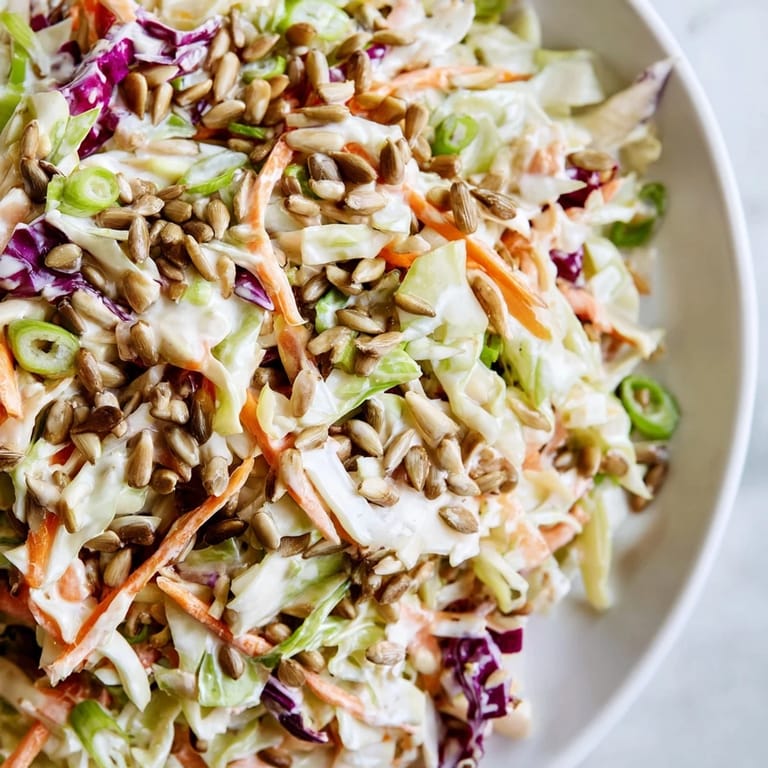
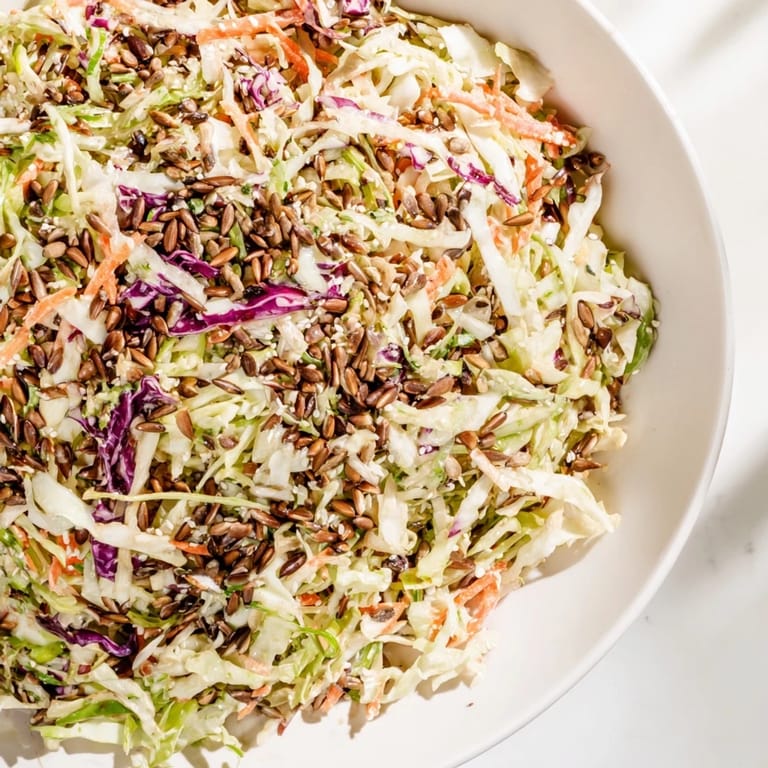
- Green cabbage (4 cups, finely shredded): The backbone of the salad—it holds its crunch better than you'd expect and has a mild, slightly sweet flavor that lets the dressing shine.
- Red cabbage (2 cups, finely shredded): This adds color and a subtle earthiness that keeps the slaw from tasting one-dimensional.
- Carrots (2 large, peeled and grated): They soften just enough to be tender but never slimy, and they add natural sweetness that balances the vinegar.
- Green onions (3, thinly sliced): A fresh pop that most people don't expect—it keeps the whole thing from feeling heavy.
- Mayonnaise (2/3 cup): Use good quality mayo here; the cheaper stuff tastes thin and watery when mixed in.
- Apple cider vinegar (2 tablespoons): This gives the dressing a gentle tang without being harsh, unlike distilled vinegar which can taste sharp.
- Honey (1 tablespoon): It rounds out the flavors and prevents the dressing from tasting too sour, plus it helps the slaw keep a bit better.
- Dijon mustard (2 teaspoons): Don't skip this—it adds depth and a subtle sharpness that ties everything together.
- Celery seed (1/2 teaspoon): This is the secret ingredient that makes people ask what's in it; use the full amount, not less.
- Salt and black pepper: Taste as you go—the vegetables release their own liquid, so you may need more seasoning than you think.
- Roasted sunflower seeds (1/2 cup, unsalted): Add these at the very last moment before serving so they stay crispy and don't get soggy from the dressing.
Tired of Takeout? 🥡
Get 10 meals you can make faster than delivery arrives. Seriously.
One email. No spam. Unsubscribe anytime.
Instructions
- Shred and slice your vegetables:
- Use a box grater or food processor to get the cabbage and carrots as thin as possible—the thinner they are, the better they soak up flavor and the crispier the final salad feels. Slice the green onions on a sharp bias so they're pretty and distribute evenly.
- Build the creamy dressing:
- Whisk the mayo, vinegar, honey, mustard, and celery seed together in a small bowl until completely smooth with no streaks. The mixture should look like thick cream, not broken or separated.
- Bring it all together:
- Pour the dressing over the vegetables and toss gently but thoroughly with your hands or two forks, making sure every bit of cabbage gets coated. Don't be shy—work it for a minute or two so the flavors start to meld.
- Taste and season:
- This is crucial: taste a small bite and add more salt and pepper if needed. The vegetables will continue to release water, so season a little more than you think is right.
- Time it right:
- If you're serving immediately, add the sunflower seeds right before it hits the table so they stay crunchy. If you need to make it ahead, keep the seeds separate and toss them in just before serving.
 Save to Pinterest
 I brought this to a potluck where someone's homemade coleslaw looked prettier and fancier than mine, but mine still got finished first. That taught me something valuable: sometimes simple, crunchy, and balanced beats fancy every single time.
Why This Slaw Works Better Than Store-Bought
The jarred versions are full of preservatives and have a funky vinegar tang that overpowers everything else. When you make it fresh, the dressing actually tastes like mayo and honey and mustard—flavors you recognize—instead of tasting like whatever helps it survive three months on a shelf. Plus, you control how much dressing goes on, which means you can keep it crisp instead of drowning it.
Variations That Work
This recipe is forgiving enough to adapt based on what you have or what you're in the mood for. I've added thinly sliced green apples for extra crunch, stirred in a handful of raisins for sweetness, and even mixed in some sliced bell peppers when I had them on hand. The dressing stays balanced no matter what you add, so don't be afraid to play around.
Serving Ideas and Storage
This slaw is perfect alongside grilled chicken, ribs, pulled pork, or burgers—basically anything that would benefit from a cool, crunchy contrast. It also makes a great light lunch on its own, especially if you pack it separate from the dressing until you're ready to eat. Store it in an airtight container in the fridge for up to two days, though the best version is definitely eaten within the first six hours.
- Pack the sunflower seeds separately if bringing to an event so they stay crispy.
- Make the dressing the night before and store it separately to save time the next day.
- Try it under grilled fish or shrimp for a completely different but equally delicious meal.
 Save to Pinterest
 This is the kind of recipe that feels small until you see how often you'll make it and how many people will ask for it. It's become my go-to answer for potlucks, picnics, and weeknight dinners.
Answers to Recipe Questions
- → What gives the salad its crunch?
The roasted sunflower seeds sprinkled on top add a delightful crunchy texture to the shredded vegetables.
- → Can I substitute mayonnaise in the dressing?
Yes, for a lighter dressing, you can replace half the mayonnaise with Greek yogurt without compromising flavor.
- → How should the vegetables be prepared for best texture?
Finely shredding both green and red cabbage and grating the carrots ensures a crisp, even texture throughout the salad.
- → Is this salad suitable for gluten-free diets?
Yes, all ingredients used are gluten-free, making it suitable for gluten-sensitive individuals.
- → Can extra ingredients be added for variety?
Absolutely, additions like thinly sliced bell peppers, chopped apples, raisins, or dried cranberries can add flavor and color.