 Save to Pinterest
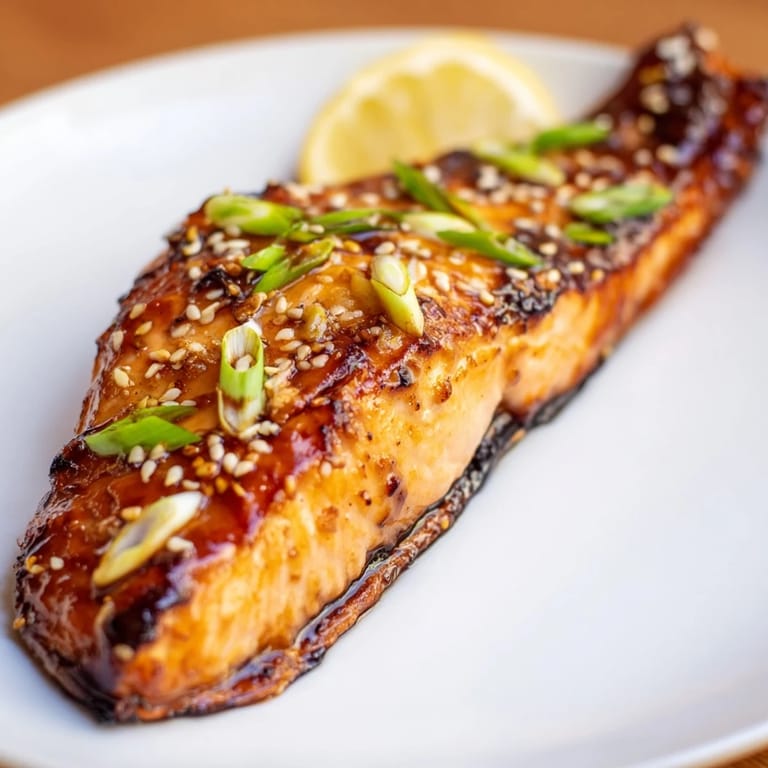
 The skillet was too hot, and I panicked when the skin started smoking. But then it crisped into something golden and crackling, and the whole kitchen smelled like ginger and caramelized soy. I spooned the glaze over the fillets and watched it bubble and cling, glossy and dark. That night, I learned that a little char and a lot of confidence can turn a Tuesday into something worth remembering.
I made this for my sister once after she had a terrible day at work. She sat at the counter while I cooked, complaining about her boss, and by the time I slid the plate in front of her, she went quiet. She ate every bite, then asked if I could teach her how to make it. I told her it was easier than she thought, which is the truth.
Ingredients
- Skin-on salmon fillets: The skin gets crispy if you leave it alone, and it protects the fish from overcooking, so dont buy skinless unless you have to.
- Kosher salt and black pepper: Just enough to wake up the fish without competing with the glaze.
- Low-sodium soy sauce: Regular soy sauce will make this too salty, trust me, I learned that the hard way.
- Honey: It caramelizes in the pan and balances the salty, sharp flavors with just a little sweetness.
- Freshly grated ginger: The bottled stuff doesnt have the same bite, grate it fresh and your kitchen will smell incredible.
- Garlic: Minced small so it melts into the glaze and doesnt burn in the hot pan.
- Rice vinegar: Adds a subtle tang that keeps the glaze from feeling too heavy.
- Sesame oil: A little goes a long way, it adds a nutty warmth that ties everything together.
- Toasted sesame seeds and green onions: Optional, but they make it look like you tried harder than you did.
Tired of Takeout? 🥡
Get 10 meals you can make faster than delivery arrives. Seriously.
One email. No spam. Unsubscribe anytime.
Instructions
- Prep the salmon:
- Pat the fillets completely dry with paper towels, any moisture will stop the skin from crisping. Season both sides with salt and pepper, then let them sit while you make the glaze.
- Whisk the glaze:
- Combine soy sauce, honey, grated ginger, garlic, rice vinegar, and sesame oil in a small bowl. It should smell sharp and sweet at the same time.
- Heat the skillet:
- Get your pan hot over medium-high heat, you want it to sizzle when the salmon hits. Add a thin layer of neutral oil if your pan isnt nonstick.
- Sear skin-side down:
- Place the fillets skin-side down and press gently with a spatula for the first few seconds to keep the skin flat. Let them cook for 4 minutes without touching them, the skin will release when its ready.
- Flip and cook:
- Turn the fillets over and cook for another 2 to 3 minutes. The fish should feel firm but still have a little give in the center.
- Add the glaze:
- Lower the heat to medium-low and pour the glaze over the salmon. Spoon it over the fillets constantly for 2 to 3 minutes, watching it thicken and turn glossy.
- Serve immediately:
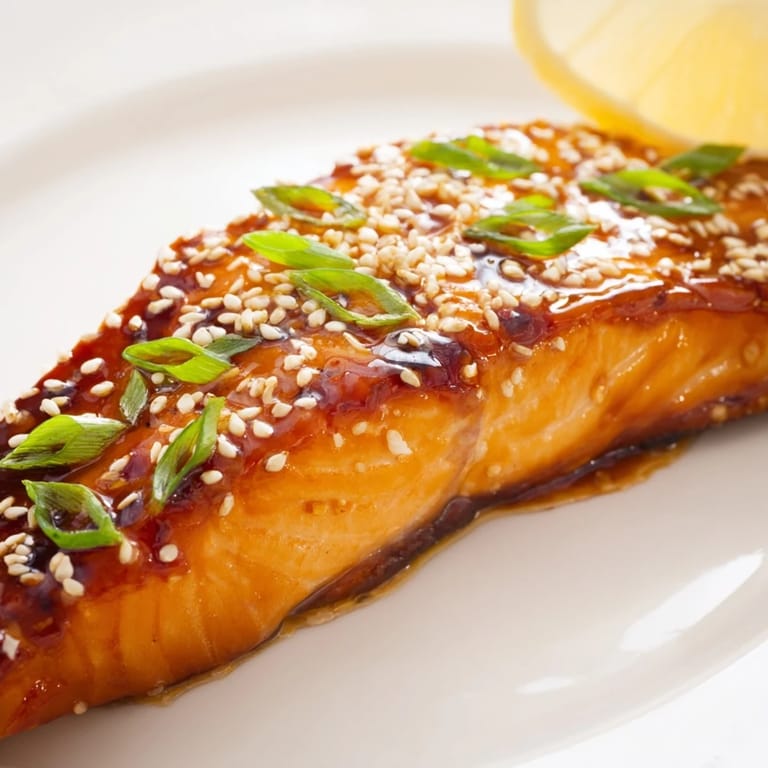
- Pull the pan off the heat and plate the salmon, spooning extra glaze from the pan over each piece. Garnish with sesame seeds, green onions, and a wedge of citrus if you want it to look fancy.
 Save to Pinterest
 My neighbor knocked on my door once because she smelled this cooking through the wall. I ended up making her a plate, and now she texts me every few weeks asking if its salmon night. Food has a way of doing that, turning strangers into friends over a shared skillet.
What to Serve It With
I usually make a big pot of jasmine rice and let it soak up the extra glaze. Sauteed bok choy or green beans on the side keeps it light, and sometimes I roast broccoli with a little garlic if I want something heartier. The meal comes together in under half an hour, but it feels like you planned it all day.
How to Know When the Salmon Is Done
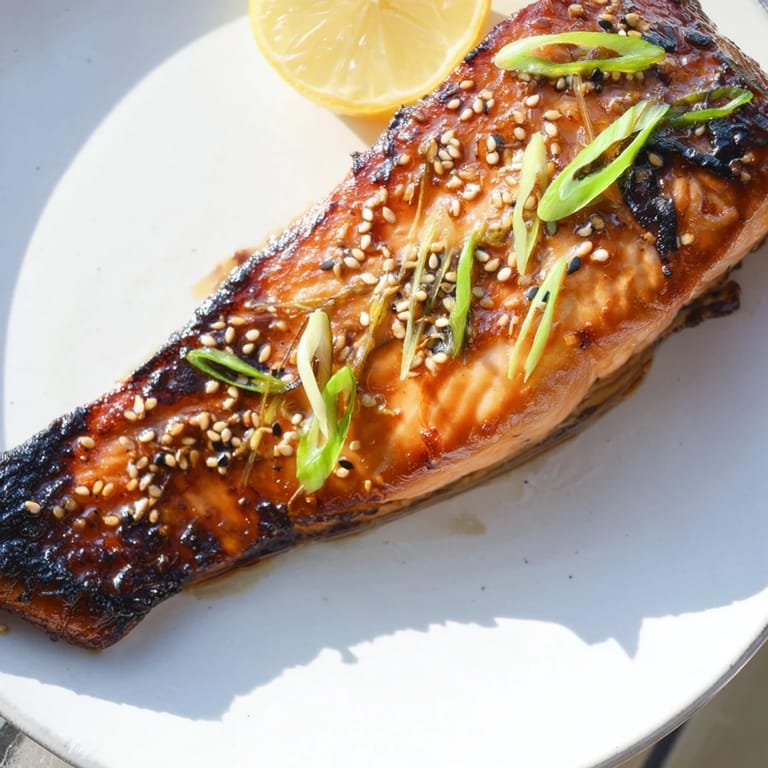
The fish should flake easily with a fork but still look slightly translucent in the very center when you pull it off the heat. It will keep cooking for a minute or two after you plate it, so err on the side of underdone. Overcooked salmon turns dry and chalky, and no amount of glaze can save it.
Make It Your Own
If you like heat, whisk in some red chili flakes or a spoonful of sambal oelek with the glaze. Maple syrup works in place of honey if thats what you have, and tamari swaps in seamlessly if you need it gluten-free. I have also used this glaze on chicken thighs and it worked beautifully.
- Try adding a squeeze of lime juice right before serving for extra brightness.
- Double the glaze and save half for drizzling over rice or vegetables.
- Leftovers reheat well in a low oven, covered with foil so they dont dry out.
 Save to Pinterest
 This is the kind of recipe that makes you feel capable, even on nights when youre tired and tempted to order in. It rewards you for showing up, and it tastes like something you would pay too much for at a restaurant.
Answers to Recipe Questions
- → What type of salmon works best for this dish?
Skin-on salmon fillets are ideal to achieve a crispy texture when pan-seared without drying out the flesh.
- → Can I use a different sweetener in the glaze?
Yes, alternatives like maple syrup or brown sugar can replace honey for similar sweetness and texture.
- → How do I get the salmon skin crispy?
Cook the salmon skin-side down in a hot, lightly oiled skillet without moving it for several minutes until crisp.
- → Is it necessary to reduce the heat when adding the glaze?
Lowering the heat helps thicken the glaze gently while allowing the flavors to meld without burning.
- → What sides pair well with this salmon?
Steamed rice, sautéed greens, or roasted vegetables complement the dish's Asian-inspired flavors nicely.