 Save to Pinterest
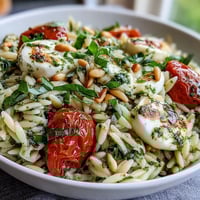
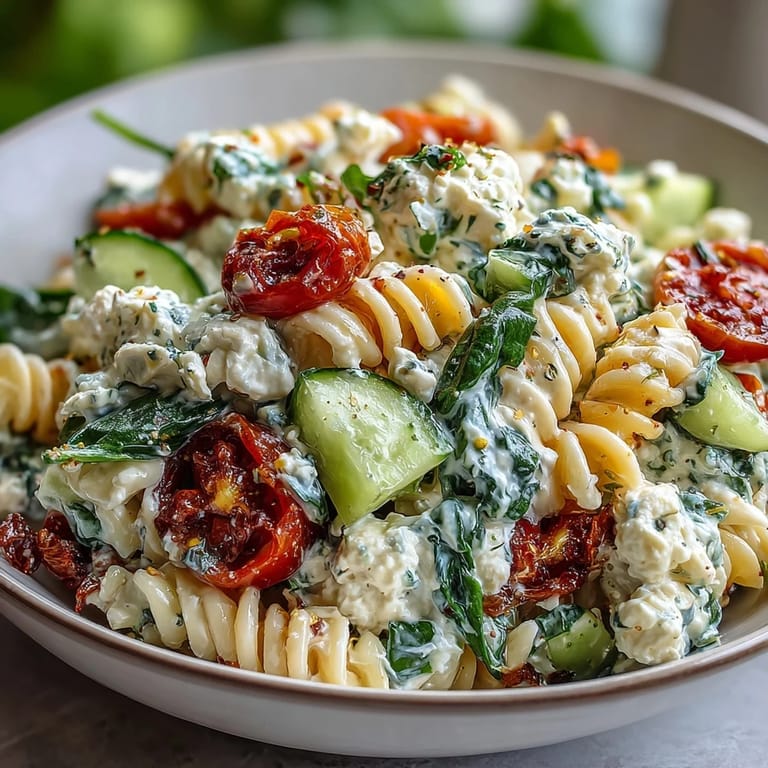
 I discovered cottage cheese pasta salad on a Tuesday afternoon when my meal prep plans fell apart and I had nothing but pantry staples staring back at me. A container of cottage cheese, some pasta, and whatever vegetables hadn't wilted in the crisper drawer became the foundation for something unexpectedly delicious. What started as a way to use up odds and ends turned into my go-to lunch formula, something I now make intentionally instead of by accident.
My friend Sarah brought this to a July picnic as her contribution, and I watched people actually finish their bowls instead of politely pushing things around their plates. She told me later that cottage cheese solved her protein problem without making everything taste like chicken breast, which made me laugh because that's exactly what I'd been feeling too.
Ingredients
- Short pasta (350g/12 oz): Rotini, penne, or shells work best because they catch the dressing and hold onto it through the chill time, unlike long pasta that just slides around.
- Cottage cheese (250g/9 oz): This is your secret weapon, providing creaminess and protein without the heaviness of mayo; small curd tends to blend more seamlessly, but large curd gives you interesting texture if you prefer.
- Cucumber (1 medium): Diced small so it doesn't get mushy, this stays crisp and provides that cooling element that makes the whole salad feel refreshing.
- Red bell pepper (1): The sweetness balances the herbaceous dressing, and the color makes the salad look intentional rather than accidental.
- Cherry tomatoes (200g/7 oz): Halved rather than diced so they hold their shape and don't turn into watery mush by day two.
- Baby spinach (2 cups): Roughly chopped so it mingles with everything rather than forming sad clumps, and it wilts slightly as it sits, which somehow makes the whole thing more cohesive.
- Red onion (2 tbsp, optional): Finely diced because a little goes a long way; it adds sharpness that prevents the salad from tasting one-dimensional.
- Italian dressing (60ml/4 tbsp): Store-bought works perfectly fine here, though homemade means you control the salt and can make it taste exactly how you want.
- Extra-virgin olive oil (1 tbsp): This rounds out the dressing and prevents the whole thing from tasting like it came from a bottle.
- Lemon juice (1 tbsp, freshly squeezed): Bottled lemon juice will work, but fresh makes a surprising difference in brightness, especially after the salad sits.
- Dijon mustard (1 tsp): A small amount adds a subtle tang that makes people wonder what the secret ingredient is.
- Garlic powder (1/2 tsp): Use this sparingly unless you want your breath announcing your lunch for the rest of the afternoon.
- Dried oregano (1/2 tsp): This ties the whole thing together with an herbaceous note that feels Mediterranean without being overwhelming.
Tired of Takeout? 🥡
Get 10 meals you can make faster than delivery arrives. Seriously.
One email. No spam. Unsubscribe anytime.
Instructions
- Cook and cool the pasta:
- Bring a large pot of salted water to a boil and cook your pasta according to package directions until just al dente, which means it still has a tiny bit of resistance when you bite it. Drain it through a colander, then rinse it thoroughly under cold running water while stirring with your fingers, which stops the cooking and gets rid of the excess starch that would make everything gluey.
- Prep your vegetables while the pasta works:
- Dice your cucumber and bell pepper into similar-sized pieces so they cook down evenly as the salad sits; halve the cherry tomatoes rather than cutting them into smaller pieces so they stay intact; chop your spinach roughly; and finely dice your red onion if using it. Having everything ready before you mix prevents you from standing there with your hands full of vegetables and nowhere to put them.
- Build your dressing:
- In a large mixing bowl, whisk together the Italian dressing, olive oil, lemon juice, Dijon mustard, garlic powder, oregano, and a good pinch of salt and pepper. Taste it right here before adding anything else, because this is your chance to adjust the seasoning without having to remix everything later.
- Combine everything gently:
- Add the cooled pasta, cottage cheese, and all your vegetables to the dressing and toss everything together until every piece of pasta looks coated and the cottage cheese is distributed throughout. This is where you can decide if you want a smoother, more creamy salad by mashing some of the cottage cheese into the dressing, or if you prefer distinct curds throughout.
- Let it chill and marry:
- Cover the bowl and refrigerate for at least an hour, which lets the flavors blend together and allows the dressing to be fully absorbed. Give it a stir before serving, and taste it again because you might want a splash more lemon juice or dressing depending on how the pasta absorbed everything.
 Save to Pinterest
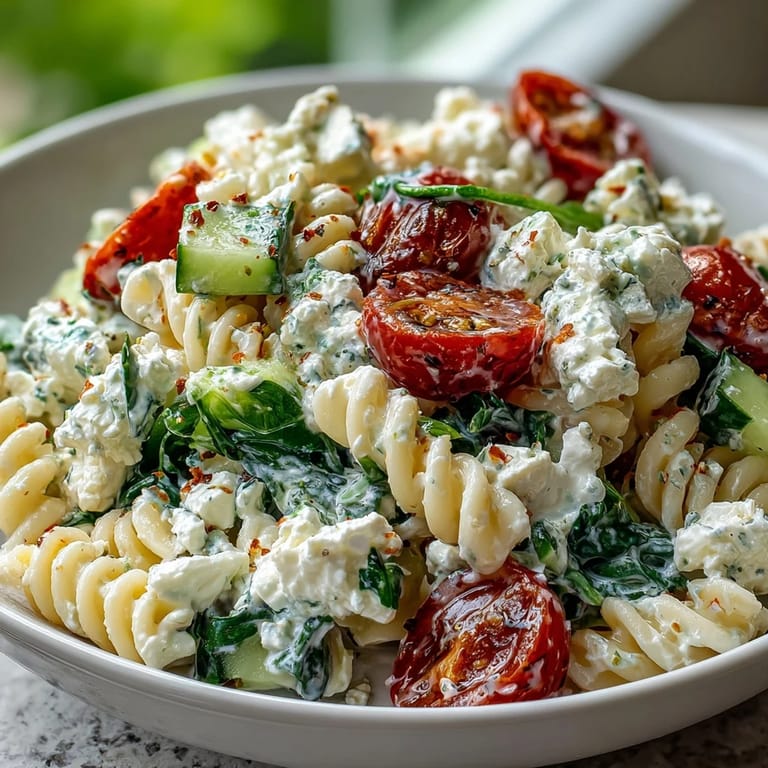
 The moment I knew this was a keeper was when I made it on Sunday for the week and found myself eating it straight from the container on Wednesday night instead of going out for takeout. Something about cottage cheese pasta salad in a cold bowl at eleven o'clock felt both simple and deeply satisfying in a way that surprised me.
Why Cottage Cheese Changes the Game
Cottage cheese gets a bad reputation from school cafeteria trauma and outdated diet culture, but it's genuinely one of the best-kept secrets in pasta salad. It provides creaminess and protein without the heaviness of mayo or sour cream, and because it's already broken down, it acts like a binder that helps the dressing coat everything evenly. The texture becomes almost creamy as the salad sits, especially if you let it chill for a few hours, creating a salad that tastes intentional and elegant rather than assembled.
The Vegetable Formula That Works
The combination of cucumber, bell pepper, tomato, and spinach isn't arbitrary; it's actually a formula for texture, color, and flavor that prevents salad boredom. The cucumber stays crisp and cool, the bell pepper adds sweetness, the tomato provides acidity, and the spinach adds earthiness and wilts slightly to bind everything together. If you swap in other vegetables, stick to this logic: include something crisp, something sweet, something acidic, and something with body, and your salad will taste balanced regardless of what you choose.
Make It Your Own
This recipe is a foundation, not a rulebook, and some of my best versions have come from ignoring the instructions slightly. Swap the spinach for arugula or chopped kale if you want something peppery, add grilled chicken or chickpeas if you want more protein, or throw in fresh basil instead of oregano if you're thinking Mediterranean. You could even use Greek yogurt or blended ricotta instead of cottage cheese if that's what you have on hand, though cottage cheese gives you the cleanest, lightest result.
- If you're meal prepping, keep the dressing separate until you're ready to eat, and the salad will stay fresh for up to five days without getting soggy.
- Add fresh herbs like basil or dill right before serving so they stay bright and don't turn into mushy green bits.
- Taste the salad cold straight from the fridge, because cold mutes flavors slightly and you might need to bump up the lemon juice or salt.
 Save to Pinterest
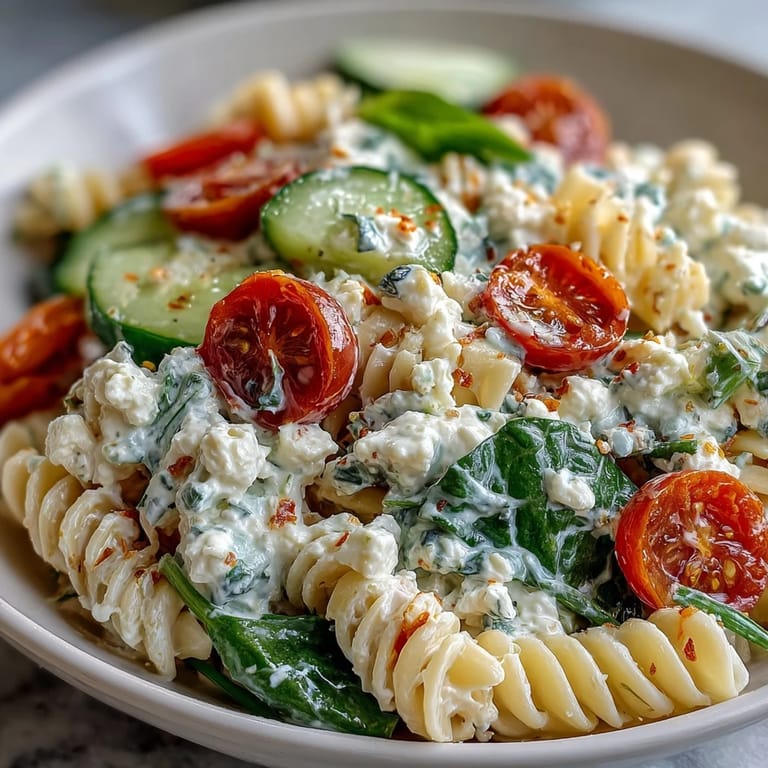
 This pasta salad sits quietly in your fridge, getting better every day, waiting for you to remember it's there. It's the kind of recipe that becomes a staple without you really planning for it to, which is somehow the highest compliment any dish can receive.
Answers to Recipe Questions
- → What pasta types work best for this salad?
Short pasta varieties like rotini, penne, shells, or farfalle hold dressing well and create a balanced texture.
- → Can I prepare this salad in advance?
Yes, refrigerate for at least an hour to enhance flavor melding. It keeps well up to three days in the fridge.
- → How can I adjust the texture of the salad?
Blending the cottage cheese before mixing offers a smoother, creamier coating for the pasta and vegetables.
- → Are there vegetarian protein add-ons recommended?
Adding tofu, chickpeas, or shredded cheese can boost protein while keeping the salad vegetarian-friendly.
- → What are some good substitutions for vegetables?
Swap spinach with arugula or kale, and include snap peas, zucchini, or carrots to vary the crunch and flavor.