 Save to Pinterest
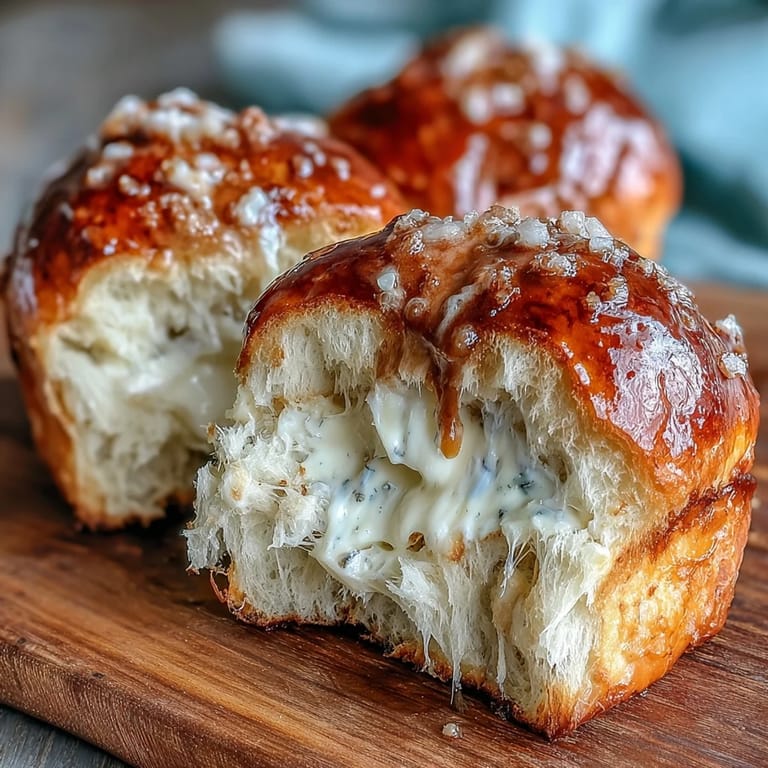
 The first time I made Japanese milk bread, it was a rainy afternoon and the sound of the dough slapping against the mixing bowl felt oddly comforting in my tiny apartment. I wasn't trying to chase any childhood nostalgia—I'd simply read about this cloudlike loaf and wanted to see if my hands could coax that same fluffiness from flour and milk. Halfway through kneading, jazz drifting through the kitchen, I realized I was grinning at the way the dough stretched into a translucent windowpane. There's an unexpected delight in watching something so simple transform with a little patience. That anticipation, I think, is why this bread keeps calling me back.
Once, I brought a still-warm loaf to a lazy Sunday brunch with friends and everyone insisted on tearing off pieces right at the table—no knife required. Crumbs everywhere, laughter louder than usual, and not a slice left for leftovers. There's something about this bread that seems to slow everyone down to enjoy both the food and the company.
Ingredients
- 3 tbsp (24 g) bread flour (Tangzhong): The secret to a perfectly fluffy crumb starts with good bread flour—I've learned to always level off my spoon for accuracy.
- 1/2 cup (120 ml) water (Tangzhong): Cold tap water is just fine, but don't rush heating—it makes the paste smooth.
- 1/2 cup (120 ml) whole milk (Tangzhong): Using whole milk gives a creamy base to the Tangzhong, setting up that signature softness.
- 2 1/2 cups (320 g) bread flour: High-protein flour locks in all the fluff—resist the urge to use all-purpose.
- 2 tbsp (25 g) sugar: Sweetness is subtle here, but I like to sift mine in to avoid clumps.
- 1 tsp (5 g) fine sea salt: Even bread needs seasoning, and this amount rounds out the flavor without overpowering it.
- 2 tsp (7 g) instant yeast: Look for lively bubbles—fresh yeast gives the highest rise.
- 1/2 cup (120 ml) whole milk, lukewarm: Slightly warm milk—never hot—helps everything come together into a happy dough.
- 1 large egg, room temperature: Set it out before you start so it blends easily.
- 4 tbsp (55 g) unsalted butter, softened: That melting-in-your-palm texture means it will disappear perfectly into the dough.
- 1 tbsp milk, for brushing: Makes the crust glossy and golden—add a second coat if you crave shine.
Tired of Takeout? 🥡
Get 10 meals you can make faster than delivery arrives. Seriously.
One email. No spam. Unsubscribe anytime.
Instructions
- Create the Tangzhong:
- Whisk the flour, water, and milk together in a saucepan over medium heat, stirring constantly as it thickens to a smooth paste in a matter of minutes. When it resembles mashed potatoes, take it off the heat and let it cool down.
- Mix the Dough:
- In your largest mixing bowl, stir together bread flour, sugar, salt, and yeast; then add the cooled Tangzhong, lukewarm milk, and egg, mixing until you see a shaggy, sticky mass.
- Knead to Perfection:
- Add the softened butter and knead by hand (or with a dough hook) for 10-15 minutes, feeling the dough go from scraggly to elastic and just a little tacky rather than sticky.
- Let it Rise:
- Scrape the dough into a greased bowl, cover, and tuck it somewhere warm until it doubles in size, usually about an hour; sometimes I peek to watch the bubbles push their way up.
- Shape the Loaf:
- Punch it down with delight, then split it into three even portions; roll each out, fold the edges in, and roll up tightly before nestling them side-by-side seam-down in a buttered pan.
- Second Rise:
- Cover again and let the shaped dough rise until almost to the top—a gentle prod with your finger should leave an indent, telling you it's ready.
- Bake it Golden:
- Brush the top gently with milk for shine, then slide into a 350°F oven until gloriously golden and sounding hollow when tapped, usually around 30 minutes.
- Cool and Enjoy:
- Cool in the pan for 10 minutes, then transfer the loaf to a wire rack—if you can, wait until it's fully cool before slicing, though the aroma makes that nearly impossible.
 Save to Pinterest
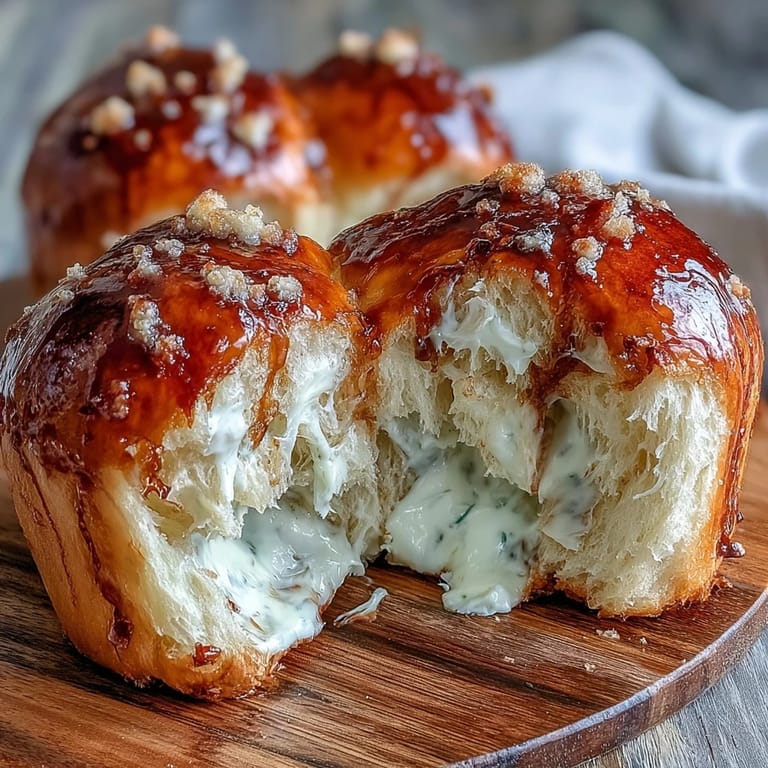
 The first time my neighbor caught the scent of this bread wafting into the hallway, she knocked to ask what was baking and ended up leaving with half the loaf. That was the day I realized recipes can build friendships, one irresistible crumb at a time.
A Little Tangzhong Wisdom
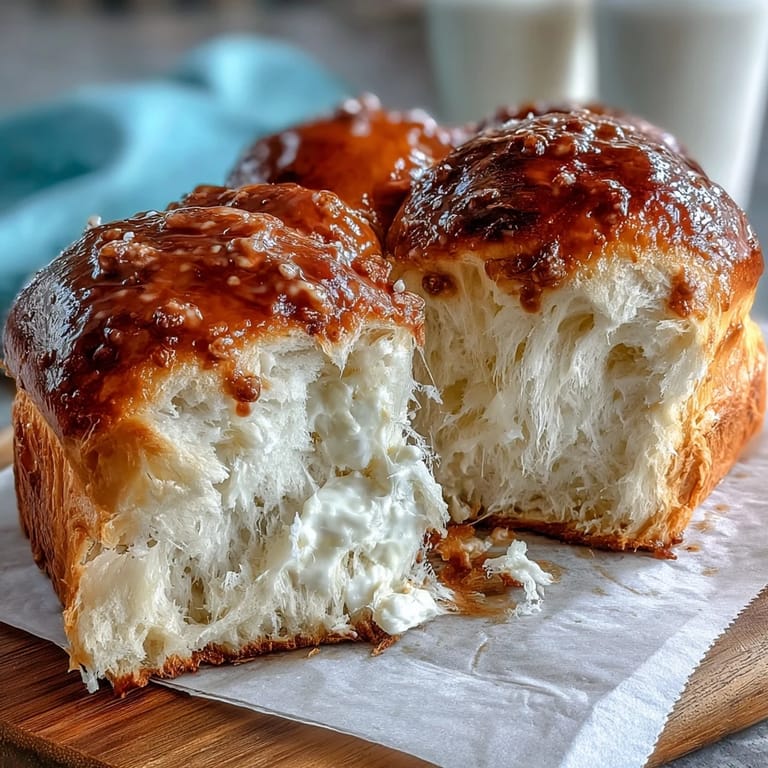
The texture of this bread all comes down to that thick Tangzhong paste—a gentle, slow stir prevents lumps and makes the final dough so much smoother. If you've ever wondered why some loaves dry out so quickly, this trick is the answer for bread that's pillow-soft even after a couple days.
Serving Suggestions That Surprise
For breakfast, I sometimes toast thick slices and smear on salted butter, letting it pool in the crevices, or make a decadent sandwich with strawberries and whipped cream. Even the plain end pieces disappear if you pan-fry them for a few minutes until crisp outside and warm inside.
Troubleshooting for Fluffy Results
If your loaf comes out dense, don't hesitate to give the dough a little more kneading—the windowpane test is your friend for checking readiness. Also, patience during both rises is key; I like to set a timer so I don't get antsy and cut things short.
- Let that first rise go long enough for true fluff.
- Use room temperature ingredients for better mixing.
- Store slices in an airtight container so leftover bread stays pillowy.
 Save to Pinterest
 I hope this bread adds a little softness (and a lot of joy) to your kitchen. It's the kind of recipe that always gets asked for, so be ready to share more than just a slice.
Answers to Recipe Questions
- → What is Tangzhong and why use it?
Tangzhong is a cooked paste of flour and liquid that gelatinizes starches, helping the dough retain moisture. It produces a softer crumb and extends freshness without extra fat.
- → Can I substitute all-purpose flour for bread flour?
Yes, but expect a slightly less chewy structure. You may need to reduce kneading time and watch hydration; dough may feel a bit looser with all-purpose flour.
- → How do I know the dough is kneaded enough?
The dough should be smooth, elastic, and slightly tacky but not sticky. It should pass the windowpane test—stretch a small piece thin without tearing.
- → What are good shaping tips for a uniform loaf?
Divide into equal pieces, roll each into tight logs with seams sealed, and place seam-side down in the pan. Even logs ensure uniform rise and an attractive pull-apart crumb.
- → How can I tell when the loaf is fully baked?
Bake until the crust is golden and the loaf sounds hollow when tapped. An internal temperature around 190–200°F (88–93°C) signals doneness for enriched white loaves.
- → Best storage to keep the loaf soft?
Cool completely, then store in an airtight container or plastic bag at room temperature. For longer storage, freeze sliced portions and thaw as needed.