 Save to Pinterest
 A friend handed me a package of Ibérico pork at a Madrid market, insisting I couldn't leave Spain without mastering it. The meat felt different in my hands—silky, marbled with fat that promised something special. That evening, I stood in a borrowed kitchen mixing rosemary and smoked paprika, wondering if overnight patience would actually make a difference. It absolutely did. Now whenever I want to cook something that feels both effortless and impressive, this is the dish I reach for.
I cooked this for my partner's parents on a Sunday in autumn, watching their faces light up as they took that first bite. The kitchen filled with the smell of smoked paprika and roasting garlic, and suddenly I understood why my friend had been so adamant about sharing this recipe. That meal turned into a three-hour conversation at the table, and the pork somehow became the reason we all felt a little more connected.
Ingredients
- Ibérico pork fillet: This is the star, and if you can find it, the marbling means it won't dry out even if you accidentally overcook it slightly, which is a comfort.
- Extra virgin olive oil: Don't cheap out here; it carries the flavor of everything else and makes the marinade silky.
- Fresh rosemary: Dried will do in a pinch, but fresh changes the entire character of the dish.
- Smoked paprika: The soul of this recipe; it brings warmth and depth that regular paprika simply cannot match.
- Lemon zest and juice: These cut through the richness and keep the pork feeling bright instead of heavy.
- Small new potatoes: They crisp up beautifully at high heat and don't need much coaxing.
- Red bell peppers: Their natural sweetness balances the savory pork and creates visual drama on the plate.
- Fresh thyme: A small detail that transforms ordinary roasted potatoes into something memorable.
Tired of Takeout? 🥡
Get 10 meals you can make faster than delivery arrives. Seriously.
One email. No spam. Unsubscribe anytime.
Instructions
- Build the Marinade:
- Whisk together olive oil, minced garlic, rosemary, smoked paprika, lemon zest, lemon juice, salt, and pepper in a bowl until it looks like a thick paste. This is your flavor investment, so don't rush it.
- Coat and Wait:
- Rub that marinade all over the pork fillet, making sure every surface gets covered, then slide it into the fridge. Overnight is magic; the flavors seep in and the acid starts tenderizing from the inside.
- Heat Everything Up:
- Preheat your oven to 220°C and arrange two baking trays inside so they warm up too. This small step means your potatoes and peppers will start crisping the moment they hit the pan.
- Potatoes First:
- Toss quartered potatoes with olive oil, salt, pepper, smoked paprika, and thyme, then spread them on one hot tray. They need the full 35 to 40 minutes, so get them in early.
- Peppers Join the Party:
- On a second tray, arrange pepper strips with sliced garlic, olive oil, and salt. They'll roast for about 20 to 25 minutes, so add them halfway through the potatoes if you want everything to finish together.
- Sear the Pork:
- Pull the pork from the marinade, pat it dry with paper towels, and heat olive oil in an ovenproof skillet until it's almost smoking. Sear the fillet for 2 to 3 minutes per side until it's deeply browned; this crust is your insurance against dryness.
- Finish in the Oven:
- Slide the entire skillet into the oven and roast for 12 to 15 minutes until the internal temperature hits 63°C. The carryover heat while resting will take it to a perfect medium.
- Rest and Slice:
- Let the pork sit for 5 minutes before you even think about cutting; this is when the juices redistribute and everything becomes tender.
- Plate Like You Mean It:
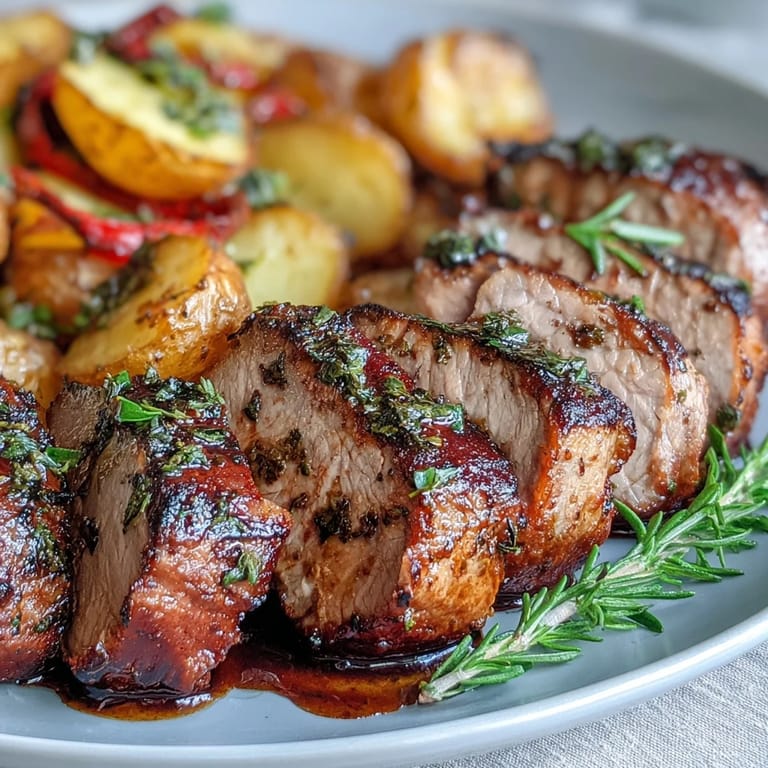
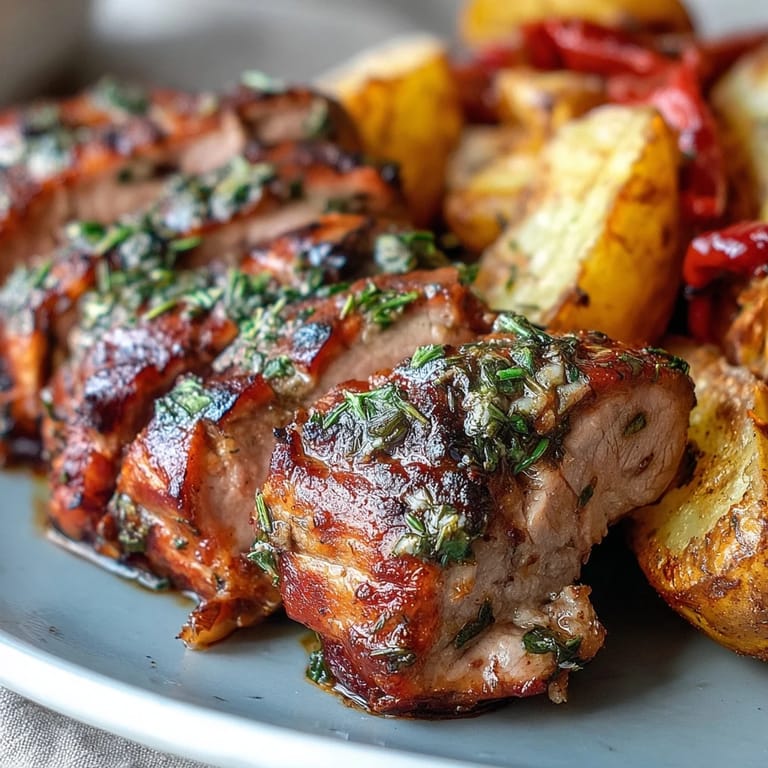
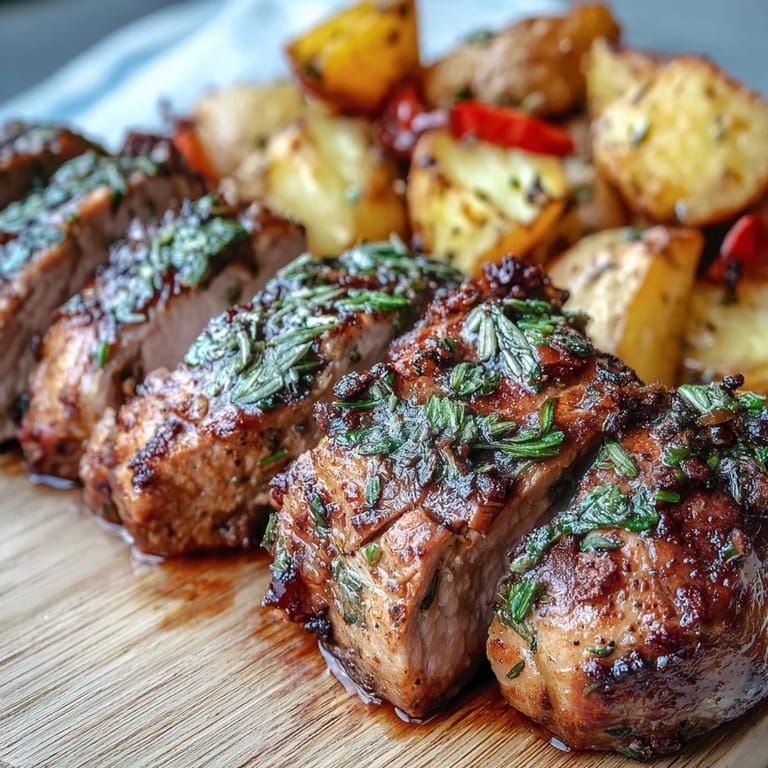
- Slice the pork, arrange it with the golden potatoes and roasted peppers, and drizzle with any pan juices if you're feeling generous.
 Save to Pinterest
 The first time I made this for guests, I was nervous about the pork, convinced something would go wrong. But as everyone sat down and took that first bite, the room went quiet in that good way—the way that means the food is speaking for itself. I realized then that good cooking isn't about complexity; it's about respecting your ingredients and giving them time to shine.
Why Overnight Really Matters
I used to think marinating was optional, just something fancy cooks did. Then I tested this recipe with a quick 2-hour marinade versus the full overnight, and the difference was impossible to ignore. The overnight version had this tender, almost melting quality that the rushed version couldn't match, and the flavors had actually woven themselves into the meat instead of just sitting on the surface.
Temperature Tells the Story
Getting the internal temperature right feels intimidating at first, but it's actually your safety net. At 63°C, the pork is still pink and juicy, but all the bacteria have been eliminated; go much higher and you're paying for premium meat only to cook it dry. A simple meat thermometer takes the guesswork out, and after a few times, you'll develop an instinct for how it feels.
Timing Your Sides
The beauty of this recipe is that everything can finish at roughly the same time if you pay attention to the clock. The potatoes go in first and roast longest, the peppers join halfway through, and the pork gets its sear and oven time in the final stretch. It's choreography, really, and once you've done it once, your hands remember the rhythm.
- Start potatoes at the 35 to 40-minute mark to give them a head start on the peppers.
- Add peppers about 20 minutes after the potatoes so they finish tender and slightly caramelized.
- Sear the pork while everything roasts, then slide it in for its final 12 to 15 minutes of cooking.
 Save to Pinterest
 This dish has become my default when I want to cook something that feels both special and achievable, a reminder that the best meals don't need to be complicated. Every time I make it, I think of that friend in Madrid and the day she changed my kitchen in the best way.
Answers to Recipe Questions
- → Can I use regular pork tenderloin instead of Ibérico?
Yes, regular pork tenderloin works well as a substitute. Note that cooking times may vary slightly, so use a meat thermometer to ensure it reaches 63°C (145°F) internal temperature.
- → How long should I marinate the pork?
Marinate the pork overnight for best results, with a minimum of 8 hours. This allows the flavors to penetrate deeply and tenderize the meat.
- → What temperature should the pork reach when cooked?
The pork should reach an internal temperature of 63°C (145°F) for perfectly cooked, slightly pink meat that's juicy and safe to eat.
- → Can I prepare the potatoes ahead of time?
While best served fresh, you can parboil and season the potatoes a few hours ahead, then roast them just before serving for optimal crispiness.
- → What wine pairs well with this dish?
A Spanish red wine such as Rioja complements the smoky paprika and rich pork beautifully. Alternatively, try a Tempranillo or Garnacha.
- → Why do I need to rest the pork after cooking?
Resting for 5 minutes allows the juices to redistribute throughout the meat, ensuring each slice is moist and flavorful rather than dry.