 Save to Pinterest
 The first time I truly understood what it meant to cook with intention was watching my neighbor prepare kabsa for her family's gathering. The kitchen filled with layers of warmth—not just heat, but the kind that comes from cinnamon, cardamom, and cloves mingling in hot oil. She moved with the ease of someone who had made this dish hundreds of times, yet there was reverence in every step, as if the spices themselves deserved respect. I asked for her guidance, and she smiled, saying this wasn't just rice and meat; it was how her family showed love on their table.
I made this for friends who had never tasted authentic kabsa, and the moment they took their first bites, the room went quiet—not awkward quiet, but the kind where everyone's focused on flavor. One friend kept asking about the black lime, amazed that something dried and wrinkled could add such depth. That's when I realized kabsa isn't complicated because it's trying to be; it's layered because it's built to celebrate the meat, the rice, and every spice working in harmony.
Ingredients
- Lamb or chicken (1 kg, bone-in pieces): Bone-in cuts give the broth incredible depth—don't skip this for boneless meat.
- Vegetable oil (1 tbsp): Just enough to build the flavor base without making the dish greasy.
- Onion (1 large, finely sliced) and garlic (3 cloves, minced): These form the aromatic foundation that everything else builds upon.
- Ground cumin, coriander, cinnamon, black pepper, turmeric, cardamom, cloves, and allspice: Buy these fresh if possible—the difference between stale and vibrant spices is the difference between good kabsa and unforgettable kabsa.
- Dried bay leaves and black lime (loomi): Bay leaves are straightforward, but the black lime is where authenticity lives; piercing it releases those floral, slightly bitter notes that make people wonder what your secret is.
- Tomatoes (2 medium, chopped) and carrot (1 medium, grated): They dissolve into the broth, adding body and subtle sweetness.
- Basmati rice (3 cups, rinsed and soaked): Rinsing removes excess starch; soaking ensures every grain stays separate and fluffy, not mushy.
- Chicken or lamb stock (5 cups): Homemade is best, but quality store-bought works if you can't make your own.
- Golden raisins (½ cup): They plump up during cooking and add pockets of sweetness throughout.
- Slivered almonds (½ cup, toasted): Toast these yourself just before serving—that crunch and nutty warmth make the dish feel finished.
- Fresh parsley (¼ cup, chopped) and salt: Parsley is optional but adds brightness; salt is essential for balancing all those spices.
Tired of Takeout? 🥡
Get 10 meals you can make faster than delivery arrives. Seriously.
One email. No spam. Unsubscribe anytime.
Instructions
- Build your aromatic base:
- Heat oil in your pot over medium-high heat, then add the sliced onion. You'll know it's ready when the edges turn golden and the kitchen starts to smell sweet. Add minced garlic and let it cook for just a minute—this prevents it from burning while allowing its flavor to bloom into the oil.
- Brown the meat:
- Add your meat pieces and let them sit for a minute or two before stirring; this creates a light crust and deeper flavor. Brown all sides over about 8 minutes, resisting the urge to crowd the pan or keep moving the meat around.
- Toast the spices:
- Once the meat has color, stir in all your ground spices along with the bay leaves and black lime. Cook for 1–2 minutes until the kitchen fills with that intoxicating fragrance—this blooming step wakes up the spices and deepens their flavor.
- Add vegetables and cook down:
- Stir in the chopped tomatoes and grated carrot, then cook for 4–5 minutes, stirring occasionally. The tomatoes will begin to soften and the carrot will start to meld into the mixture, creating a rich base for your broth.
- Simmer the meat until tender:
- Pour in your stock and bring everything to a boil, then reduce the heat to low, cover, and let it simmer. This is where patience pays off—about 35–40 minutes for chicken or 60 minutes for lamb, until the meat practically falls from the bone when you touch it with a fork.
- Prepare the rice:
- While the meat cooks, rinse your basmati rice under cool water until the water runs clear, then soak it for 20 minutes. This removes excess starch and ensures each grain will cook up separate and light, not sticky.
- Add the rice to the broth:
- Carefully remove the cooked meat and keep it warm (you can tent it with foil). Stir the drained rice and a pinch of salt into the simmering broth, then nestle the meat back on top of the rice.
- Layer in the sweetness:
- Scatter the golden raisins over the surface of the rice. Cover the pot with a tight-fitting lid and reduce the heat to low—this trapped steam is what transforms the rice from soaked grains into something fluffy and tender.
- Let the rice finish cooking:
- Allow 25–30 minutes for the rice to cook through and absorb all the liquid. You'll know it's ready when you lift the lid and see no pooling broth and the rice grains look light and separate.
- Fluff and finish:
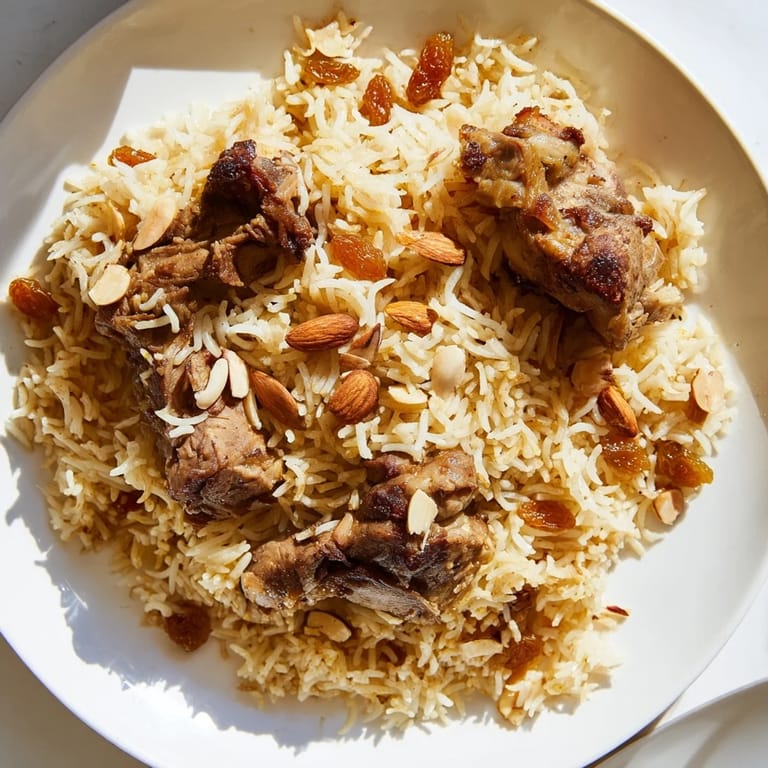
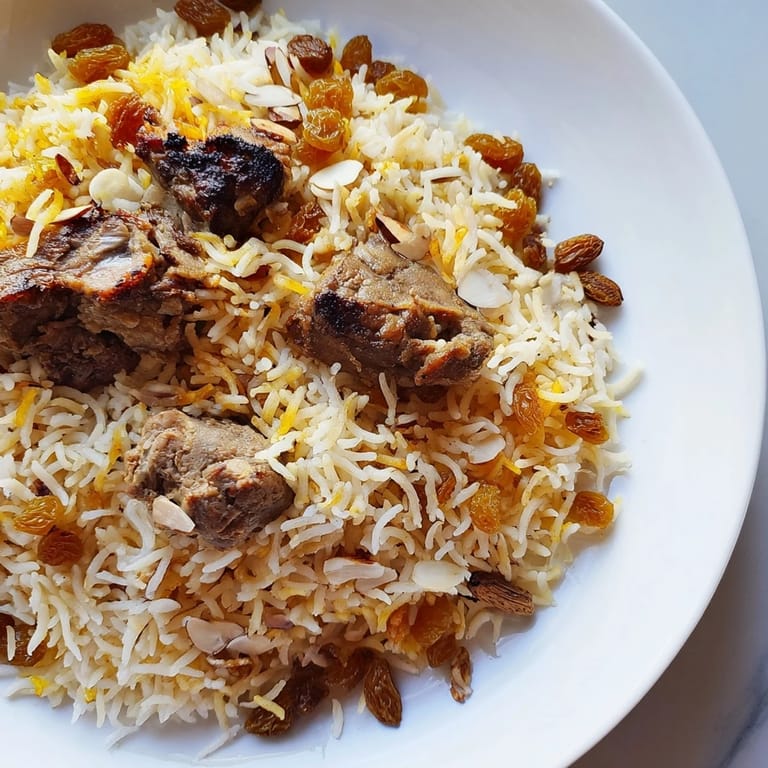
- Remove from heat and discard the bay leaves and black lime. Use a fork to gently fluff the rice, being careful not to break the grains or mash the meat. Transfer everything to a serving platter and crown it with toasted almonds and fresh parsley.
 Save to Pinterest
 There's a moment near the end, when you lift the lid and that fragrant steam escapes—it's like the pot is releasing the story of everything that's been happening inside. My neighbor taught me that this is when you know you've done it right, when the smell alone makes people gather around the kitchen before the dish even reaches the table.
The Soul of the Spices
Kabsa lives or dies by its spice blend, and this is where I learned to trust my senses more than a recipe card. The combination of cumin, coriander, cinnamon, cardamom, and cloves creates something that's warm but not heavy, fragrant but not perfume-like. If your spices have been sitting in your cabinet for more than a year, they've likely faded—replace them, and you'll taste the difference immediately. The black lime, if you can source it, adds a floral note that's hard to describe but impossible to forget once you've experienced it.
Making It Your Own
While this recipe is rooted in tradition, kabsa is flexible enough to adapt to what you have on hand or what you're craving. Some families swap the lamb for beef or chicken depending on the season or occasion. The raisins can be replaced with dried apricots if you prefer a different kind of sweetness, or left out entirely if you want the dish to be more savory. The beauty is that the core technique—browning the meat, blooming the spices, and finishing with rice—remains the same no matter what adjustments you make.
Serving and Pairing
Kabsa is substantial enough to stand alone, but it truly shines with a few simple sides that offer contrast and freshness. A simple tomato and cucumber salad with lemon dressing cuts through the richness beautifully. Plain yogurt served on the side provides cooling relief from the warm spices. Some people like to finish their plate with a sprinkle of extra fresh parsley or a squeeze of lemon juice, and I've never seen anyone turn that down.
- Serve on a large platter where the meat, rice, and garnishes are visible and inviting.
- Have extra toasted almonds and fresh herbs on the side so people can add more if they like.
- Make sure the meat is still warm when you serve—this is a dish that tastes best when everything arrives at the table at the same temperature.
 Save to Pinterest
 This is the kind of dish that becomes part of your cooking routine once you make it, and that's when you realize it's not really about following steps—it's about understanding why each step matters. Make it once for yourself to learn it, then make it again for someone who needs to taste something special.
Answers to Recipe Questions
- → What type of meat works best for kabsa?
Bone-in lamb or chicken pieces provide rich flavor and tender texture after slow simmering, enhancing the dish’s authenticity.
- → How are the spices incorporated for optimal aroma?
Toasting the ground spices and bay leaves briefly before adding liquids intensifies their aromatic profile throughout the cooking process.
- → Can kabsa be prepared without dried black lime (loomi)?
Yes, loomi is optional but adds a distinctive tangy depth. Omitting it still results in a flavorful dish thanks to the spice blend.
- → How should the basmati rice be prepared before cooking?
Rinse and soak the basmati rice for about 20 minutes to remove excess starch and ensure fluffy, separate grains after cooking.
- → What garnishes are traditionally used with this dish?
Golden raisins and toasted slivered almonds are classic toppings that add sweetness and crunch, balancing the savory spices.
- → What side dishes complement this middle eastern dish?
A simple tomato-cucumber salad and yogurt provide refreshing contrast to the rich, spiced rice and meat.