 Save to Pinterest
 There's something about standing in a kitchen filled with the warm smell of bulgur and fresh herbs that brings me back to a bustling Turkish market I wandered through years ago. I watched a vendor shape meatballs with practiced hands, the mixture glistening and alive between her palms, and I knew I had to learn how to make them at home. The first time I tried, I was nervous about the texture, worried the bulgur would make them fall apart on the pan, but the moment they hit the oil and started to sizzle, I understood the magic. These köfte aren't just dinner—they're a small act of patience and intention, the kind of dish that fills your kitchen with aromas before the first bite.
I remember my friend Maya coming over and watching me shape these with skeptical eyes—she'd only ever had frozen meatballs from the store. But when she bit into the first one, still warm from the pan with that crackling crust, her entire expression shifted. We ended up making three batches that evening, laughing at how we kept sneaking them straight off the paper towels instead of plating them properly. That's when I realized these köfte weren't just about feeding people; they were about creating a moment where everyone gathered around the stove and forgot about time.
Ingredients
- Ground beef or lamb (or a mix), 500 g: The blend of beef and lamb gives you the best of both worlds—lamb brings aromatic depth while beef adds stability and prevents the meatballs from being too gamey.
- Fine bulgur, 100 g: Don't use coarse bulgur or you'll end up with a gritty texture; fine bulgur hydrates evenly and acts as a binder that keeps everything moist and tender.
- Small onion, finely grated, 1: Grating instead of chopping releases the onion's moisture and natural sweetness, which distributes throughout the mixture more evenly than chunks ever could.
- Garlic, minced, 2 cloves: Fresh garlic is non-negotiable here—it perfumes the entire meatball and adds a brightness that seems small until you leave it out once.
- Fresh parsley, finely chopped, 2 tbsp: This is the backbone of the flavor profile, grassy and fresh, so don't skip it or substitute with dried unless you absolutely must.
- Fresh mint, finely chopped (or 1 tsp dried), 1 tbsp: Mint is what makes these taste unmistakably Turkish, so if you only have dried mint, use less because it's more concentrated and can easily overpower.
- Ground cumin, 1 tsp: Cumin brings warmth and earthiness without being loud; it's the steady friend that makes all the other spices work better together.
- Paprika, 1 tsp: Sweet paprika adds color and a subtle sweetness that balances the herbs and prevents the meatballs from tasting one-note.
- Ground black pepper, ½ tsp: Fresh cracked is better, but ground works fine—it adds sharpness that cuts through the richness of the meat.
- Chili flakes, ½ tsp (optional): These are my addition when I want just a whisper of heat without changing the character of the dish.
- Salt, 1 tsp: Taste as you mix because you might need slightly more or less depending on your meat and how much water the bulgur absorbs.
- Large egg, 1: This is your silent helper—it brings everything together without adding any flavor of its own, just structure and cohesion.
- Olive oil, 2–3 tbsp (for pan-frying) or oil spray (for grilling): Good olive oil matters here because it becomes part of the flavor; cheap oil will leave a flat, forgettable taste.
Tired of Takeout? 🥡
Get 10 meals you can make faster than delivery arrives. Seriously.
One email. No spam. Unsubscribe anytime.
Instructions
- Soften the bulgur:
- Pour the bulgur into your mixing bowl and add warm (not hot) water, about 3 tablespoons. The bulgur will start to drink it up immediately, swelling and becoming tender. Let it sit quietly for 10 minutes while you prep the other ingredients—this is when the magic of bulgur happens, and rushing it will leave you with gritty meatballs.
- Combine everything:
- Add the meat, grated onion, minced garlic, fresh herbs, all the spices, salt, and egg to the softened bulgur. Using clean, damp hands is the secret here; the water on your hands prevents sticking and helps you feel exactly when the mixture reaches that perfect slightly-sticky stage.
- Mix until unified:
- Work through the mixture thoroughly, letting your hands squeeze and fold everything together until you can't see any streaks of meat or patches of dry bulgur. This usually takes about 2 minutes of active mixing; you'll feel the texture change as the ingredients bond.
- Shape with intention:
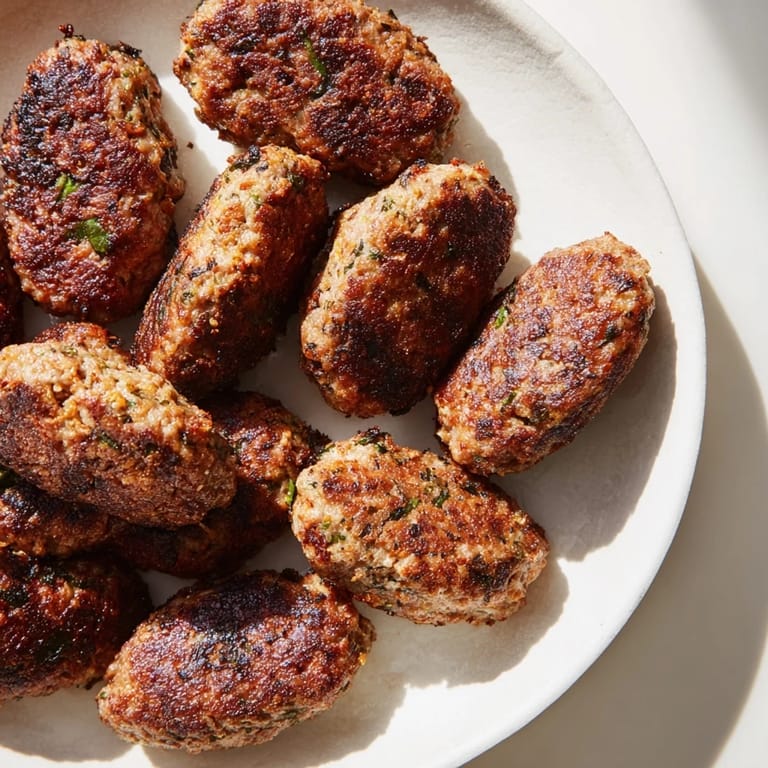
- Dampen your hands again and form the mixture into small oval or round meatballs about the size of a walnut. The dampness keeps everything from sticking to your skin, and the size ensures they cook through evenly without drying out on the outside.
- Pan-fry to golden:
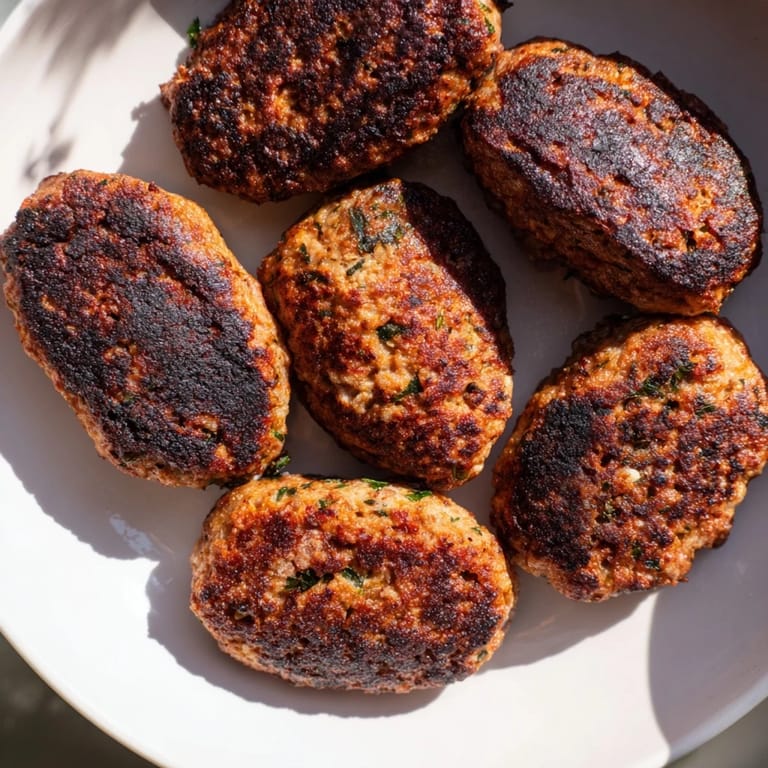
- Heat olive oil in a large skillet over medium heat until it shimmers. Add the meatballs in a single layer (work in batches if needed) and let them sit undisturbed for 3–4 minutes until the bottom develops a burnished crust. Flip gently and cook the other side the same way; you'll know they're done when a fork pierces one easily and no pink appears inside.
- Or grill for char:
- Preheat your grill to medium-high and lightly oil the grates or use oil spray to prevent sticking. Grill the meatballs for 3–4 minutes per side, turning them with tongs so they pick up beautiful charred marks that add smokiness and flavor.
- Finish and serve:
- Transfer the cooked meatballs to a warm plate and serve them hot with rice, flatbread, or a crisp salad so they stay the star of the plate.
 Save to Pinterest
 I think about the quiet moment when my partner came home and caught the first whiff of these meatballs sizzling—they walked straight to the kitchen without even taking off their coat. We stood there together, watching them brown, talking about nothing important, just enjoying the warmth and the smell and the knowledge that something good was about to happen. That's what this dish does; it transforms an ordinary weeknight into something that feels intentional and complete.
Building Flavor Layers
The secret to these köfte is understanding that they're built on layers of flavor, not just one dominating taste. The bulgur provides a subtle earthiness and holds moisture that keeps the meatballs tender, while the herbs add brightness and freshness that keeps everything from tasting heavy. The spices—cumin and paprika especially—create a warm foundation that ties everything together without being loud or spicy. If you taste the raw mixture before cooking (which I always do), you might think it tastes too herby or too mild, but once everything hits the heat and fuses together, it transforms into something balanced and deeply satisfying.
Pan-Frying Versus Grilling
Both methods work beautifully, but they give you different results depending on your mood and your kitchen setup. Pan-frying is faster and more forgiving; you get a steady, even crust and complete control over the heat, so you're less likely to have one side burn while the other stays pale. Grilling adds a smokiness and char that's harder to achieve in a pan, and there's something about turning them with tongs over open heat that feels more ceremonial, more like you're doing something ancient and important. I usually pan-fry on weeknights when I want dinner ready quickly, and I save grilling for weekends when I have time to stand there and enjoy the process.
What to Serve Alongside
These köfte shine brightest when you give them the right company on the plate. Fluffy rice or flatbread soaks up the flavors beautifully, while a simple tomato salad with lemon and herbs cuts through any richness and refreshes your palate between bites. A cooling yogurt sauce mixed with garlic and dill becomes almost essential, turning the whole meal into a conversation between hot and cool, spiced and mild. The beauty of this dish is that it adapts to whatever you have on hand—grilled vegetables, cucumber salad, even roasted potatoes all work if that's what your kitchen offers today.
- A squeeze of lemon juice over everything just before serving brightens every single bite.
- Keep a small bowl of extra fresh herbs at the table so people can add more if they want.
- These reheat beautifully, so if you make extra, you've got tomorrow's lunch already waiting.
 Save to Pinterest
 Every time I make these, I'm reminded that the simplest dishes often taste the most like home. These köfte are humble, unfussy, and completely honest—they're just good food made with care, and that's enough.
Answers to Recipe Questions
- → What type of meat is best for these meatballs?
Ground beef, lamb, or a combination of both works well, providing a balance of flavor and tenderness.
- → How does bulgur affect the texture?
Bulgur softens during soaking and adds a slight chewiness, keeping the meatballs moist and tender inside.
- → Can these meatballs be grilled instead of pan-fried?
Yes, grilling adds a smoky char while maintaining juiciness, offering a delicious alternative cooking method.
- → What herbs and spices enhance the flavor?
Fresh parsley and mint combined with cumin, paprika, black pepper, and optional chili flakes create a fragrant and well-rounded taste.
- → How can I prevent the meatballs from falling apart?
Mix ingredients thoroughly and ensure the bulgur is softened properly; using an egg helps bind the mixture firmly.