 Save to Pinterest
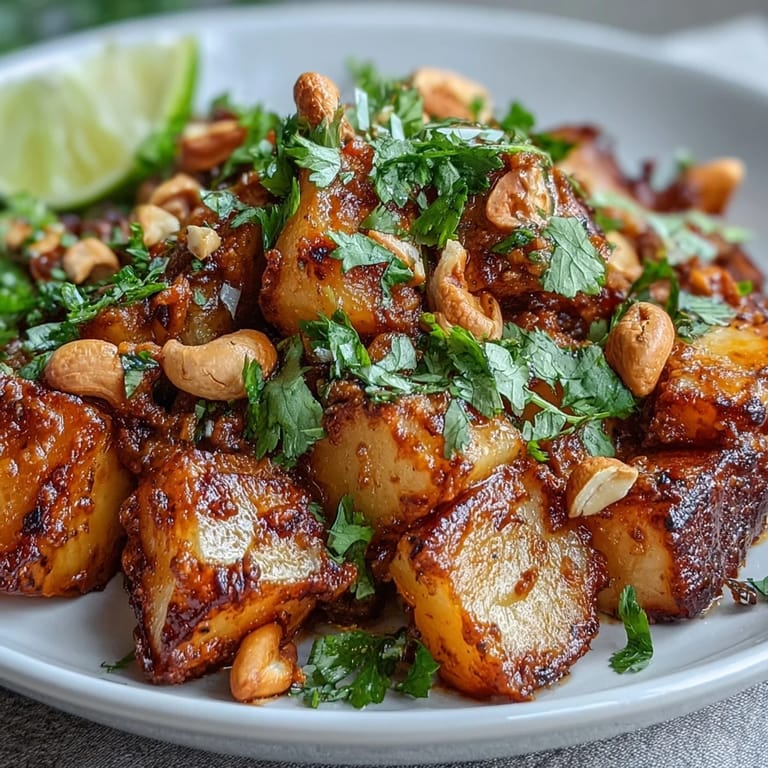
 There's something magical about celeriac that most people overlook until they actually taste it roasted golden and swimming in curry sauce. I discovered this dish by accident on a rainy Tuesday when I had a knobby celeriac sitting in my crisper drawer and absolutely no inspiration. A handful of spices, some coconut milk, and twenty minutes later, my kitchen smelled like a spice market and I was genuinely shocked at how tender and nutty it had become. That first bite made me realize I'd been sleeping on this humble root vegetable my entire cooking life.
I made this for my sister who claims to hate vegetables, and watching her scrape the last of the sauce from her bowl while insisting celeriac was "probably not even a real vegetable anyway" was a moment of pure kitchen victory. She now asks for this recipe every time she visits, which means I've somehow accidentally created a family staple out of what was once nothing but a quiet root vegetable in my pantry.
Ingredients
- Celeriac (about 800 g): This knobby root has a delicate celery-parsnip flavor that becomes almost sweet when roasted; peel it generously because the skin is thick and papery.
- Onion: The aromatic base that gets soft and sweet in the pan, building the foundation for everything that comes next.
- Garlic and ginger: These two together bloom into something warm and inviting once you hit them with heat, filling your entire kitchen with that unmistakable curry-time smell.
- Curry powder: The heart of the dish; I use medium because hot can overwhelm, but taste your own blend and adjust fearlessly.
- Ground cumin and turmeric: These add earthiness and a gentle warmth that makes the sauce taste more complex than it actually is.
- Chili flakes: Optional, but they add a subtle tingle that keeps things interesting without dominating.
- Olive oil: Three tablespoons total, split between roasting and building your sauce base.
- Coconut milk and vegetable stock: These create a silky sauce that clings to every piece of celeriac without being heavy.
- Fresh cilantro, toasted nuts, and lime: The finale that lifts everything from simply good to actually memorable.
Tired of Takeout? 🥡
Get 10 meals you can make faster than delivery arrives. Seriously.
One email. No spam. Unsubscribe anytime.
Instructions
- Get your oven ready and prep the celeriac:
- Preheat to 200°C and toss your cubed celeriac with two tablespoons of olive oil, salt, and pepper on a baking sheet. The cubes should be roughly the same size so they roast evenly and turn golden on the edges.
- Roast until golden and tender:
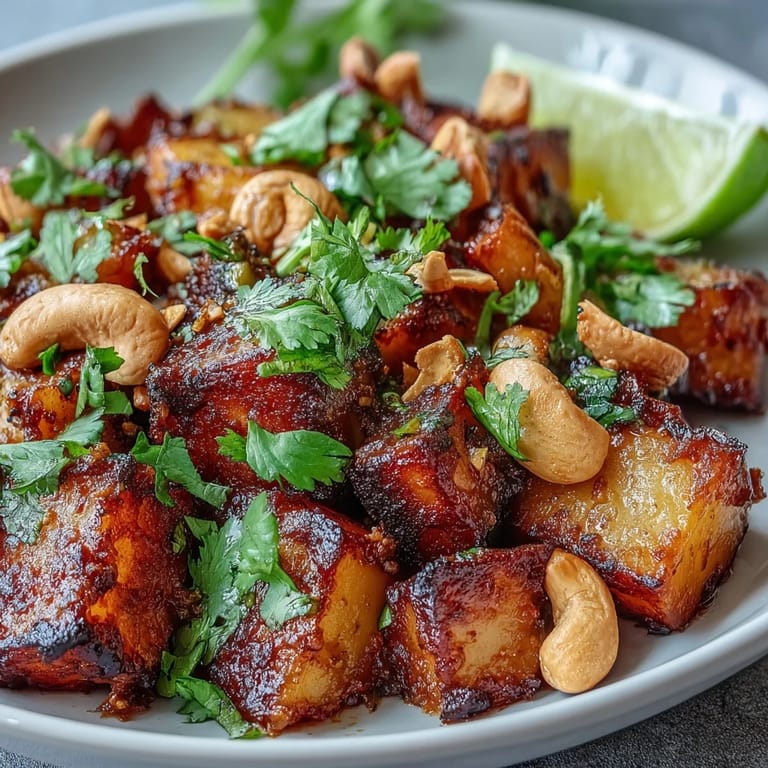
- Slide them into the oven for 25 to 30 minutes, stirring halfway through because some pieces will caramelize faster than others. You'll know they're ready when they're fork-tender and have that gorgeous burnished exterior.
- Build your aromatic base:
- While the celeriac roasts, heat the remaining tablespoon of oil in a large pan over medium heat and add your chopped onion. Let it soften and turn slightly translucent, which takes about five minutes and smells absolutely wonderful.
- Bloom the aromatics:
- Add the minced garlic and grated ginger, stirring constantly for just one minute until the raw edge disappears and your kitchen fills with that warm, spicy fragrance. Don't walk away or they'll brown and lose their brightness.
- Toast your spices:
- Stir in the curry powder, cumin, turmeric, and chili flakes, letting them cook in the oil for about one minute so they release their oils and awaken. This is the step that makes the sauce taste restaurant-quality instead of one-dimensional.
- Pour in the creamy elements:
- Add the coconut milk and vegetable stock, stirring until everything melds into a smooth sauce, then bring it to a gentle simmer. You're not looking for a rolling boil here, just warm enough that tiny bubbles form gently around the edges.
- Bring it all together:
- Add your roasted celeriac to the pan and let everything simmer uncovered for eight to ten minutes, which gives the flavors time to get properly acquainted. The sauce will thicken slightly and coat the celeriac beautifully.
- Taste and adjust:
- This is non negotiable; take a spoon, try it, and decide if you need more salt, another pinch of chili, or maybe just a squeeze of lime juice to brighten everything up.
 Save to Pinterest
 There was an evening when I served this to a dinner party and someone asked if I'd learned to cook professionally, which made me laugh because the whole dish is essentially just roasting a vegetable and making a simple sauce. That moment reminded me that sometimes the most impressive meals are the ones built from humble ingredients treated with respect and a little bit of care.
Why Celeriac Deserves Your Attention
Most people walk past celeriac at the market without a second glance, thinking it's just some weird bumpy thing that nobody actually eats. But roasted until golden, it becomes something entirely different—creamy inside, nutty and slightly sweet, with a delicate celery undertone that's nothing like the raw vegetable you might expect. Once you understand what celeriac can become with a little heat and some good spices, you'll start seeing it as the hidden gem it actually is.
Playing with Variations
This recipe is genuinely forgiving in the best way possible, and I've made it a dozen different ways depending on what's in my kitchen and what I'm craving. Parsnips or sweet potato work beautifully in place of celeriac if you want to experiment, and adding a can of chickpeas transforms it into a more substantial vegetarian main that even meat eaters respect. The spice ratios are flexible too; if you're cautious with heat, dial back the chili flakes or use a milder curry powder, and if you like everything spicy, add more of both without hesitation.
Serving and Storage Wisdom
This dish is perfect on its own but genuinely sings when paired with steamed rice, warm naan, or even quinoa if you want to keep things light. It also reheats beautifully, which means it's actually an ideal meal-prep situation where you can make a big batch and eat it for days without getting bored. Just store it in an airtight container in the fridge and warm it gently on the stove, adding a splash of water or stock if the sauce has thickened too much.
- Fresh cilantro and a squeeze of lime should always be added right before serving because they brighten the entire dish and make it taste like you actually know what you're doing.
- Toasted nuts add a satisfying crunch that contrasts perfectly with the soft celeriac and creamy sauce, so don't skip them even if you think you might.
- The leftovers often taste better the next day once all the flavors have truly settled and become friends with each other.
 Save to Pinterest
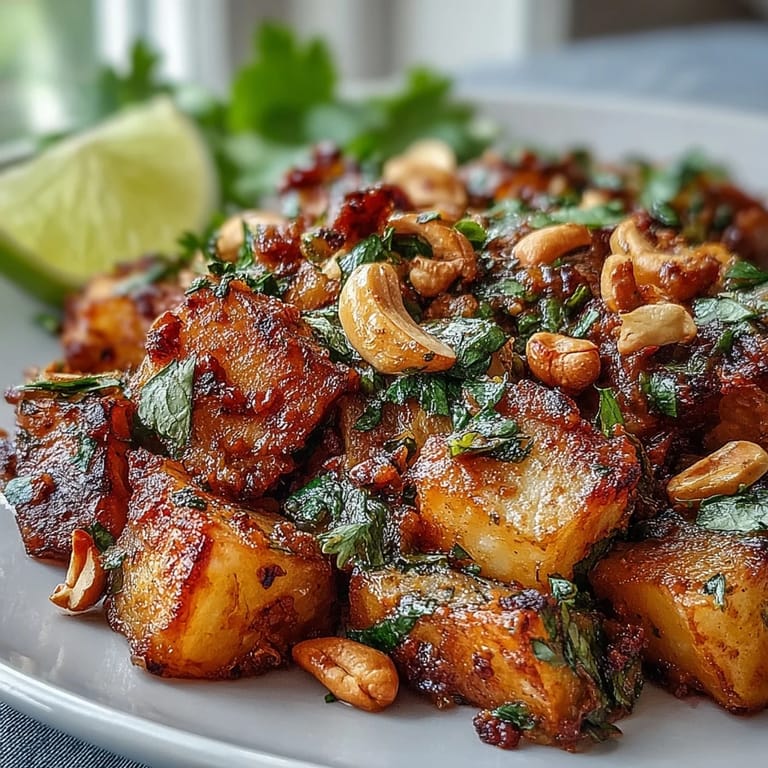
 This curried celeriac has become one of those dishes I make when I want to feel like I've accomplished something in the kitchen without actually stressing about it. It's honest food that tastes far better than it has any right to given how simple it actually is.
Answers to Recipe Questions
- → Can I substitute celeriac with other vegetables?
Yes, parsnips or sweet potatoes work wonderfully as alternatives. Cut them into similar-sized chunks and adjust roasting time as needed based on the vegetable's density.
- → How do I make this dish spicier?
Increase the chili flakes to 1/2 teaspoon or use hot curry powder instead of medium. You can also add a fresh chopped green chili when sautéing the garlic and ginger.
- → Can I prepare this ahead of time?
Absolutely. The flavors actually improve when made ahead. Store in an airtight container in the refrigerator for up to 3 days and gently reheat on the stovetop or microwave.
- → What should I serve with curried celeriac?
This pairs beautifully with steamed basmati rice, warm naan bread, or quinoa. For a lighter option, serve alongside a fresh cucumber raita or simple green salad.
- → How do I know when the celeriac is properly roasted?
The celeriac should be golden brown on the edges and easily pierced with a fork. It typically takes 25-30 minutes at 200°C, but check at 20 minutes and adjust as needed.
- → Can I add protein to this dish?
Yes, chickpeas are an excellent addition. Add 1 can of drained chickpeas along with the roasted celeriac for extra protein and heartiness without changing the cooking time.