 Save to Pinterest
 My hands were shaking the first time I grated Pecorino Romano for cacio e pepe, worried I'd mess up something so deceptively simple. The cheese hit the hot pan and seized into a clumpy disaster, nothing like the silky strands I'd seen in photos. I learned that night that technique, not just ingredients, makes this dish sing. Now, every time I hear pepper crackle in a dry skillet, I feel a little thrill knowing I've finally cracked the code. It's become my go-to when I want to impress without the fuss.
I made this for my neighbors during a summer power outage, cooking by candlelight with nothing but a camp stove. The simplicity of it felt right for the moment, no fancy sauces or long ingredient lists to fumble through in the dark. We ate it straight from the pan with mismatched forks, laughing at how something so humble could taste so luxurious. That night taught me that cacio e pepe doesn't need perfect conditions, just respect for the process. It's a dish that meets you where you are and still delivers comfort.
Ingredients
- Spaghetti (400 g): The traditional choice for cacio e pepe because its round shape holds the creamy sauce in every twirl, and cooking it just shy of al dente gives you control when finishing in the pan.
- Pecorino Romano cheese (120 g, finely grated): The sharp, salty backbone of this dish, and freshly grated is non-negotiable since pre-grated versions contain anti-caking agents that ruin the sauce.
- Freshly cracked black pepper (2 tsp, plus extra): Toasting it in a dry pan wakes up its floral, spicy notes and transforms it from a background player to a starring flavor.
- Salt: Used generously in the pasta water to season the spaghetti from within, and the starchy, salty water becomes the magic that binds cheese into silk.
Tired of Takeout? 🥡
Get 10 meals you can make faster than delivery arrives. Seriously.
One email. No spam. Unsubscribe anytime.
Instructions
- Boil the Pasta:
- Bring a large pot of well-salted water to a rolling boil and cook the spaghetti until it still has a slight bite, about a minute less than the package says. Before draining, scoop out a full cup of that cloudy, starchy water because it's the secret to a smooth sauce.
- Toast the Pepper:
- While the pasta cooks, add the black pepper to a dry skillet over low heat and let it sizzle for a minute or two until your kitchen smells warm and spicy. This step unlocks flavors you didn't know pepper had.
- Build the Base:
- Pour about half a cup of the reserved hot pasta water into the skillet with the toasted pepper and let it bubble gently. This creates a peppery broth that will coat every strand of pasta.
- Toss the Pasta:
- Add the drained spaghetti directly into the skillet and toss it around so it soaks up the peppery water. Work quickly and keep the heat low to prevent the cheese from seizing later.
- Create the Sauce:
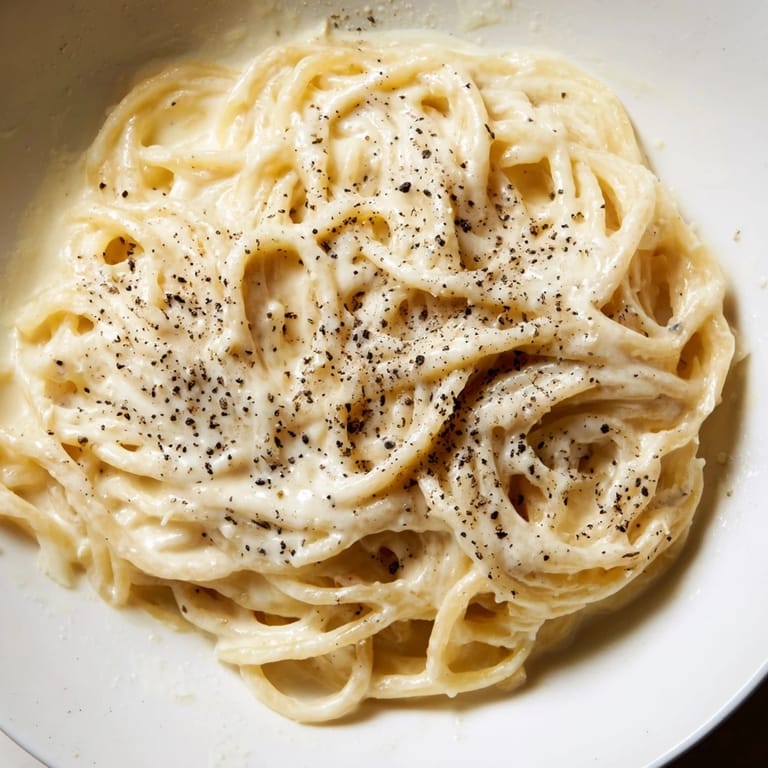
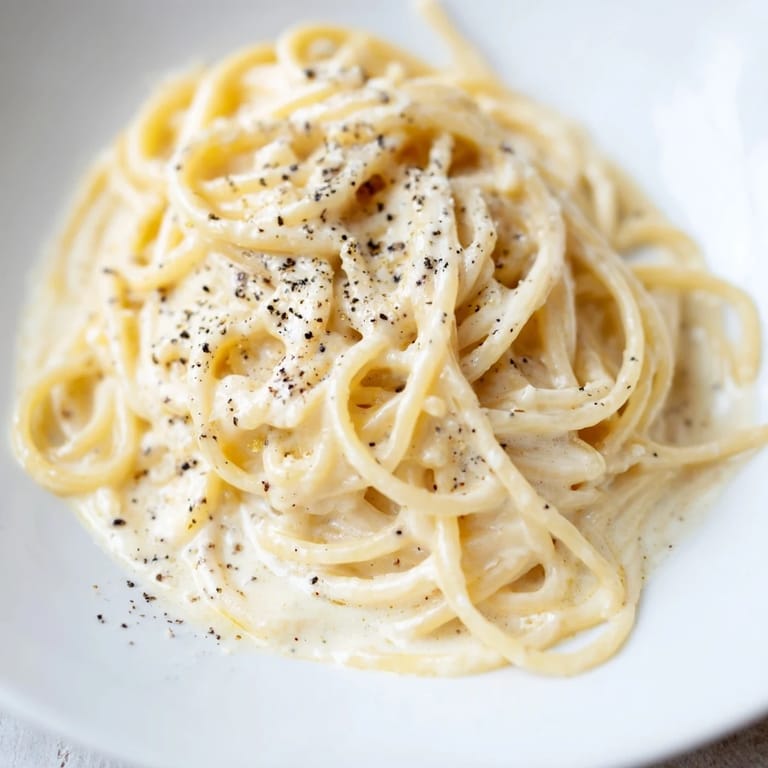
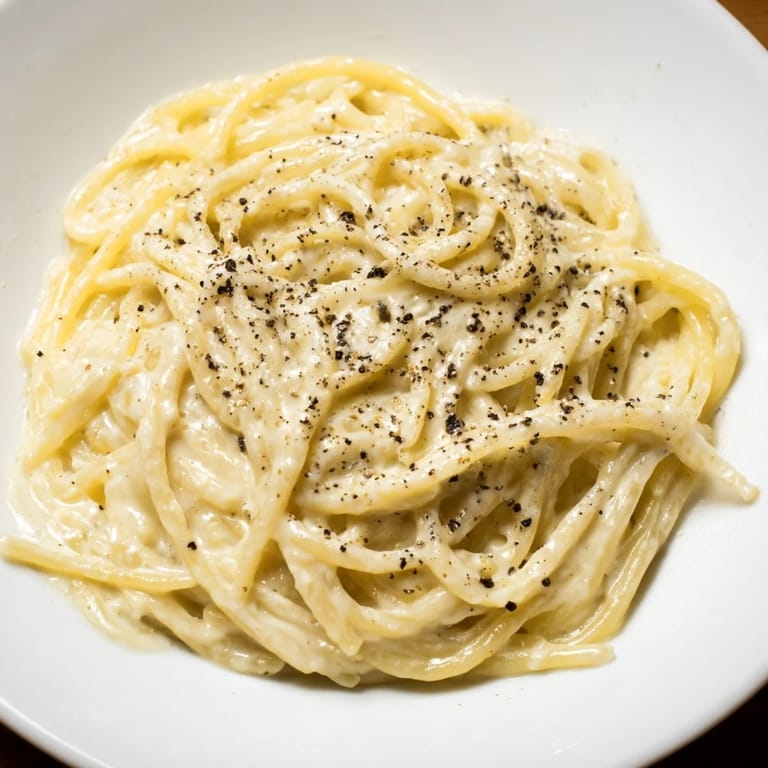
- Remove the skillet from heat and sprinkle in the Pecorino Romano a little at a time, tossing constantly with tongs in a lifting, swirling motion. Add splashes of reserved pasta water as you go until the cheese melts into a glossy, creamy coating that clings to every strand.
- Serve Immediately:
- Plate the pasta right away and top with extra grated Pecorino and a generous grind of black pepper. Cacio e pepe waits for no one, so gather everyone before you start the final toss.
 Save to Pinterest
 There was an evening when a friend arrived heartbroken and wordless, and I made this without asking what she needed. We sat at the counter, twirling pasta in silence, and by the second bite she started talking. Cacio e pepe has this way of offering comfort without demanding conversation, just warmth and richness and the feeling that someone cares. It's become my unspoken language for love when words won't do.
Choosing Your Cheese
Pecorino Romano is the traditional choice and brings a sharp, tangy punch that defines authentic cacio e pepe. If you can't find it or want something gentler, Parmigiano Reggiano works in a pinch but the dish will taste milder and less rustic. I've learned to grate the cheese on the finest side of the grater so it melts faster and more evenly, preventing those dreaded cheese lumps. Some people mix half Pecorino and half Parmigiano for a balanced flavor, which is a lovely compromise if you find straight Pecorino too assertive. Whatever you choose, grate it yourself right before cooking because freshness makes all the difference.
Perfecting the Pasta Water
That cloudy, starchy pasta water is liquid gold in this recipe, acting as the emulsifier that turns grated cheese into creamy sauce. I used to under-salt my pasta water until I tasted the difference proper seasoning makes, so now I make it taste like the sea. Don't drain your pasta over the sink without saving some water first because you can't get it back, and you'll almost always need more than you think. The water should be hot when you add it to the skillet so it helps melt the cheese rather than cooling everything down. I keep a mug by the stove now as a reminder to reserve it before I drain.
Serving and Pairing Suggestions
Cacio e pepe shines brightest when served immediately, straight from the pan to the plate while the sauce is still glossy and clingy. I like to pair it with a crisp white wine like Vermentino or Pinot Grigio that cuts through the richness without competing with the pepper. A simple arugula salad dressed with lemon and olive oil on the side adds a peppery freshness that echoes the dish. Sometimes I'll set out extra grated Pecorino and a pepper mill so everyone can adjust to their taste. This dish doesn't need much company, just good bread to mop up any sauce left behind.
- Serve in warmed bowls to keep the pasta hot longer and the sauce from stiffening.
- Have all your ingredients ready before you start because the final steps move fast and timing is everything.
- Leftovers don't reheat well, so this is a dish best enjoyed the moment it's made.
 Save to Pinterest
 This dish has taught me that mastery isn't about complexity, it's about understanding how simple ingredients transform when treated with care. Every time I make cacio e pepe, I'm reminded that the best meals often come from the humblest pantries and the willingness to keep trying until it clicks.
Answers to Recipe Questions
- → What makes the sauce creamy without using cream?
The emulsion of starchy pasta water, melted Pecorino Romano cheese, and black pepper creates the creamy texture. The starch acts as a binder, allowing the cheese to incorporate smoothly into a silky sauce.
- → Can I use Parmigiano Reggiano instead of Pecorino Romano?
Yes, Parmigiano Reggiano works well as a substitute, though it delivers a milder, slightly nutty flavor compared to Pecorino Romano's sharper, saltier profile. Adjust to your taste preference.
- → Why is it important to reserve pasta water?
Pasta water contains starch that helps bind the cheese and create a cohesive sauce. It also allows you to adjust the sauce consistency throughout cooking for the ideal silky texture.
- → How do I prevent the cheese from clumping?
Add cheese gradually while tossing vigorously over low heat. Work quickly and maintain consistent mixing to ensure even melting. Adding reserved pasta water as needed helps achieve smooth incorporation.
- → What wine pairs well with this dish?
Crisp white wines like Vermentino or Pinot Grigio complement the salty, peppery flavors beautifully. The acidity cuts through the richness and enhances the dining experience.