 Save to Pinterest
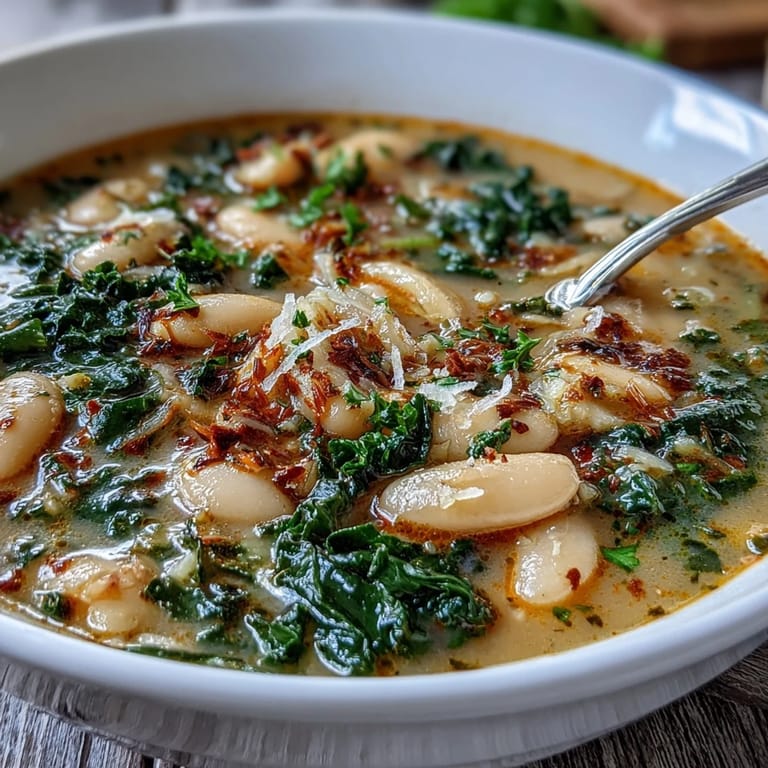
 There's something magical about the way a kitchen smells when you're simmering beans and herbs together—it happened by accident one chilly afternoon when I had a bunch of kale that needed rescuing from the crisper drawer. I threw together what I had on hand, and out came this soup that tasted like it had been simmering for hours, not minutes. The lemon zest was the unexpected hero, cutting through the earthiness with such brightness that my partner asked for seconds before I'd even finished my first bowl.
I made this the night before my in-laws visited, nervous about impressing them with something simple but special. When my mother-in-law tasted it, she closed her eyes for a moment and said it reminded her of a small trattoria near her childhood home in Tuscany. That's when I realized this soup does something rare—it tastes like memory, like warmth, like being taken care of.
Ingredients
- Olive oil: Use a good quality one, especially for the final drizzle—it's not just cooking fat here, it's a finishing touch that matters.
- Yellow onion, carrots, and celery: This is the holy trinity of Italian cooking, and together they build the flavor foundation that makes everything taste intentional.
- Garlic: Mince it fine so it melts into the broth rather than announcing itself in chunks.
- Kale: The tough stems really do need to go—they're woody and unpleasant, so don't skip that step even if it feels fussy.
- Cannellini beans: Rinsing them removes the starchy liquid and makes the soup cleaner tasting and less gluey.
- Vegetable broth and water: The water balances out the saltiness of store-bought broth, keeping you in control of the seasoning.
- Dried thyme and rosemary: These herbs are Tuscan essentials, bringing an earthy, slightly peppery warmth that feels authentic without being heavy-handed.
- Bay leaf: It's subtle but undeniable—remove it before serving so no one bites into it by surprise.
- Red pepper flakes: Optional but worth considering if you like a whisper of heat without overwhelming the other flavors.
- Lemon zest and juice: Fresh lemon is non-negotiable here; bottled juice won't give you that bright, alive quality that makes this soup special.
- Parmesan cheese: A light dusting is all you need; it's more about the salty umami accent than heavy coverage.
Tired of Takeout? 🥡
Get 10 meals you can make faster than delivery arrives. Seriously.
One email. No spam. Unsubscribe anytime.
Instructions
- Sauté the base vegetables:
- Heat olive oil in your pot over medium heat and add the onion, carrots, and celery. You're looking for softness and a slight translucency, about 6 to 8 minutes—this is where patience pays off because you're building flavor, not rushing through.
- Bloom the garlic:
- Once your vegetables are soft, add the garlic and let it cook for just one minute until it smells incredible. Don't let it brown or it turns bitter.
- Wilt the kale:
- Stir in your chopped kale and watch it transform from a sprawling pile into something manageable in just 2 to 3 minutes. The heat is already working its magic.
- Build the broth:
- Add the rinsed beans, broth, water, thyme, rosemary, bay leaf, and red pepper flakes if you're using them. Season lightly with salt and pepper, knowing you'll adjust this later.
- Simmer and develop:
- Bring everything to a boil, then lower the heat and let it bubble gently uncovered for about 20 minutes, stirring now and then. The soup will deepen in flavor as the herbs release their oils and the vegetables become tender.
- Create creaminess:
- This is the secret—scoop out about a cup of soup and beans, mash them roughly with a fork or use an immersion blender, then stir this back into the pot. It thickens everything naturally and gives you that luxurious texture without any cream.
- Finish with brightness:
- Stir in the lemon zest and fresh lemon juice, then let it simmer for 2 more minutes so the flavors marry. Fish out the bay leaf before tasting.
- Taste and adjust:
- This is where you become the chef—add more salt, pepper, lemon, or even a pinch more red pepper flakes until it tastes exactly right to you.
- Serve with intention:
- Ladle the soup into bowls, top with a modest amount of Parmesan, and finish with a generous drizzle of good olive oil. That final drizzle isn't an afterthought—it's what makes people say wow.
 Save to Pinterest
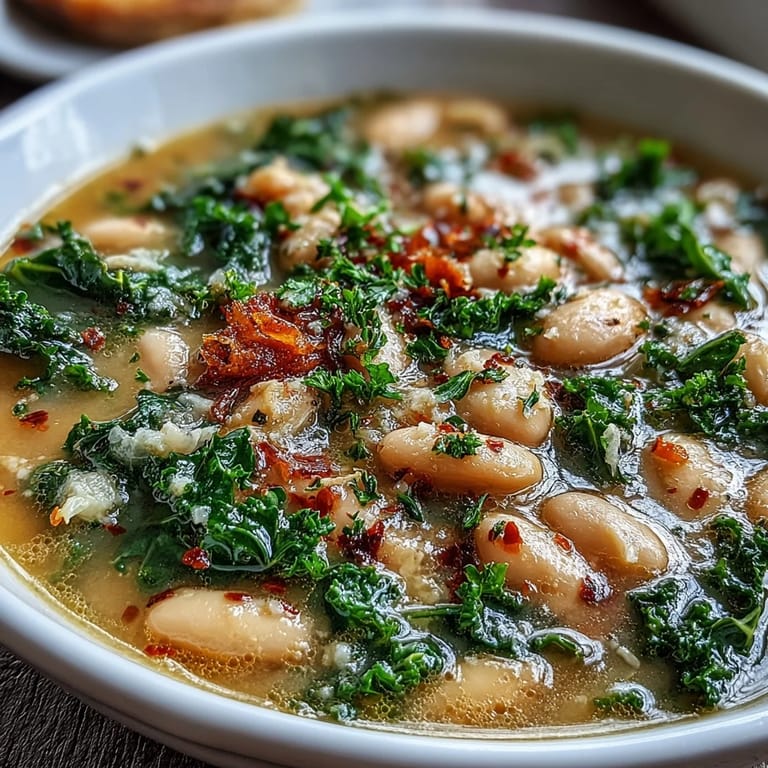
 There's a moment when you're eating this soup on a quiet evening, maybe with a slice of crusty bread torn apart and dunked in, when you realize that simple food made with intention tastes better than anything fancy ever could. That's what this soup gave me.
Why This Soup Works Year-Round
I used to think of bean soups as autumn and winter food, but this one breaks that rule beautifully. In spring and summer, the brightness of lemon makes it feel refreshing rather than heavy, and in colder months, it wraps around you like a warm embrace. The kale stays tender but present, the beans are forgiving, and the herbs adapt to whatever season your garden or market offers.
Making It Your Own
This recipe is a foundation, not a prison. I've made it with spinach when kale looked tired, added a handful of ditalini pasta when I wanted it more substantial, and thrown in white beans I'd cooked myself instead of canned ones. The beauty is that the Tuscan flavor profile is strong enough to hold these changes—it still tastes intentional and delicious no matter what you swap in. Some people add a spoon of pesto at the end, others crumble in a piece of cooked sausage, and none of them are wrong.
Storage, Reheating, and Leftovers
This soup keeps beautifully in the refrigerator for up to four days, and it actually tastes better the next day once the flavors have settled. Freeze it in portions if you want to save it longer, though I'd leave out the Parmesan and lemon zest until you reheat it so they taste fresher. When you warm it back up, do it gently over medium-low heat and add a splash of water or broth if it's thickened too much.
- Leftover soup gets better in the fridge as flavors meld, making it perfect for meal prep.
- Add fresh lemon zest and juice just before serving, even with leftovers, to keep that bright final note alive.
- Freeze without the cheese and citrus so you can customize each bowl when you thaw and reheat it.
 Save to Pinterest
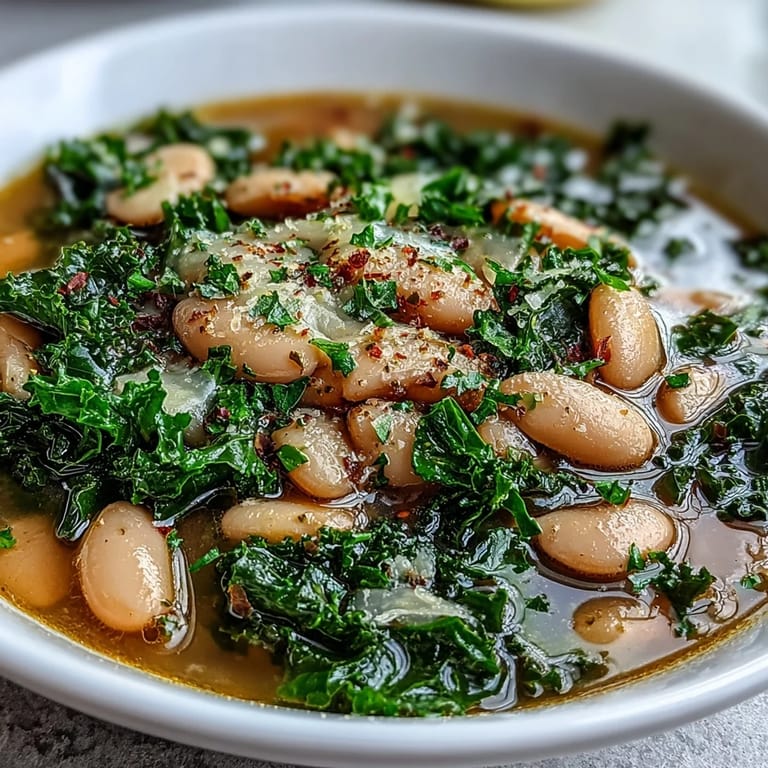
 This soup taught me that the simplest meals often carry the most meaning, especially when made for people you care about. Keep this recipe close for the afternoons when you need comfort or the evenings when you want to impress someone with minimal fuss.
Answers to Recipe Questions
- → Can I substitute kale with another green?
Yes, baby spinach is a great alternative that wilts quickly and offers a milder flavor.
- → How can I make the soup vegan?
Omit the Parmesan cheese or use a plant-based alternative to keep it vegan-friendly.
- → What is the best way to enhance soup creaminess?
Removing some beans, mashing them, and stirring back into the soup adds a creamy texture without cream.
- → Are fresh herbs essential for flavor?
Dried thyme and rosemary provide depth, but fresh herbs can enhance aroma and brightness.
- → Can I add meat to this dish?
Cooked Italian sausage can be added for a non-vegetarian variation adding richness and flavor.