 Save to Pinterest
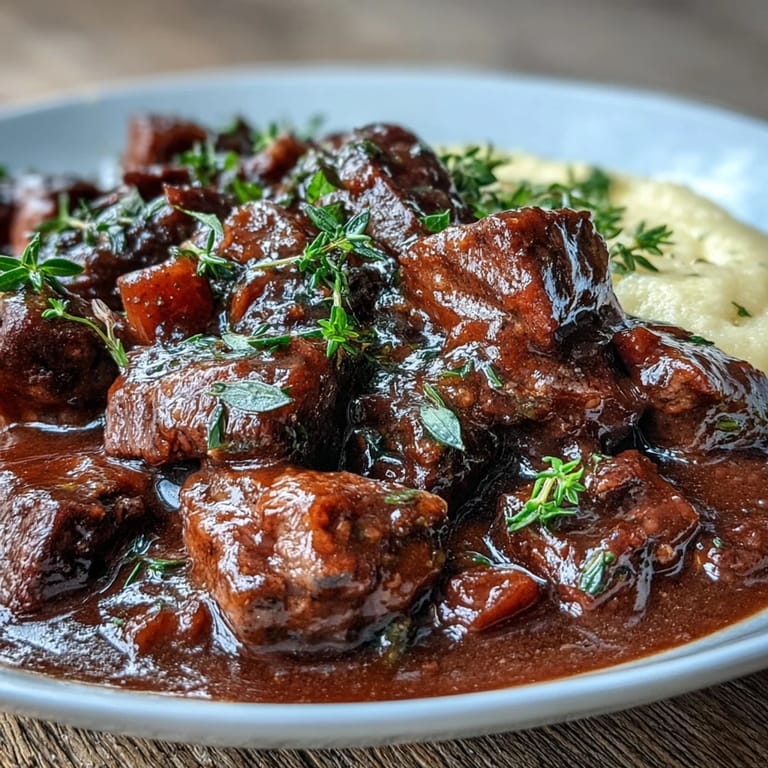
 A friend once described venison as the meat that tastes like autumn itself, and I didn't understand until I made this stew on a grey November afternoon. The sloe gin caught me off guard at first, that deep purple liquid hitting the hot pan with a theatrical hiss, filling the kitchen with something between berry and brandy that made my kitchen smell like a proper British countryside. Now whenever the weather turns cold and the days shorten, this is what I reach for, that one dish that transforms an ordinary evening into something that feels like coming home.
I cooked this for my sister's book club on a particularly cold evening, and watching them dip their spoons into those bowls, the way their shoulders relaxed, taught me that good food isn't about impressing anyone. It's about permission to slow down. The stew had bubbled gently for nearly three hours by then, the house smelling so inviting that when they arrived, coats barely off, someone said it smelled like they'd been invited into a warm memory.
Ingredients
- Venison shoulder or stewing venison (800 g, cut into 3 cm cubes): The shoulder is forgiving and becomes wonderfully tender with time; ask your butcher to cut it for you if you're not confident, and don't worry if the pieces aren't perfectly uniform.
- Olive oil (2 tbsp): Use something robust here because you're building flavor with the browning, not just cooking.
- Onion (1 large, finely chopped): The sweetness that emerges during cooking balances the richness of the venison.
- Carrots (2, sliced): They soften into almost nothing, thickening the sauce naturally as they break down.
- Celery stalks (2, diced): Often overlooked, but this is where subtle savory depth comes from.
- Garlic cloves (2, minced): Fresh is essential; tired garlic will make the whole stew taste tired.
- Tomato paste (2 tbsp): A small amount concentrates flavor without making this taste tomato-forward.
- Sloe gin (150 ml): This is the secret ingredient that makes people wonder what you did differently; if you can't find it, port works beautifully as a substitute.
- Beef or game stock (400 ml, gluten-free if needed): Homemade is ideal, but quality shop-bought won't betray you here.
- Redcurrant jelly (1 tbsp): A touch of sweetness and natural thickening that feels old-fashioned in the best way.
- Bay leaves (2) and fresh thyme sprigs (2): Don't skip these; remove them before serving unless you enjoy finding them with your teeth.
- Juniper berries (1 tsp, lightly crushed): They add a piney note that whispers rather than shouts.
- Salt and freshly ground black pepper: Season in stages; the stock will concentrate as it cooks, so hold back at the start.
- Whole milk (750 ml) and water (250 ml): The combination keeps polenta from tasting heavy.
- Polenta (150 g, quick-cooking or regular): Quick-cooking saves time but regular has a better texture if you're patient enough.
- Unsalted butter (40 g): Adds the final silky richness to polenta without overpowering.
- Grated Parmesan cheese (50 g): Sharp and salty, just what polenta needs.
Tired of Takeout? 🥡
Get 10 meals you can make faster than delivery arrives. Seriously.
One email. No spam. Unsubscribe anytime.
Instructions
- Brown your venison properly:
- Get your oil properly hot before adding the meat in batches, don't crowd the pan, and let each piece develop a golden crust. This takes patience but creates the foundation for everything that follows.
- Build flavor in the pan:
- Once the venison is set aside, the soffritto of onion, carrot, and celery should cook gently until the onion turns translucent and sweet. Don't rush this; it's where the stew starts to taste like itself.
- Deglaze with sloe gin:
- Watch it bubble and reduce slightly, that theatrical moment when alcohol cooks off and concentrated flavor remains. You'll actually see the color of the pan change.
- Bring everything together:
- Return the venison, add your stock, jelly, herbs, and spices, then settle into a gentle simmer. The gentler the heat, the more tender the meat becomes without falling apart.
- Make your polenta while waiting:
- Bring milk and water just to a simmer, then add polenta in a thin stream while whisking constantly to prevent lumps. This takes real attention for the first few minutes.
- Cook polenta until creamy:
- Keep stirring, and after 5-10 minutes (depending on what type you bought), it should pull away slightly from the sides of the pan and feel thick and luscious. Finish with butter and Parmesan.
- Finish and serve:
- Remove your bay leaves and thyme before plating; nothing dampens a good meal like a surprise herb stem. Ladle the stew over polenta and pause a moment to appreciate what you've made.
 Save to Pinterest
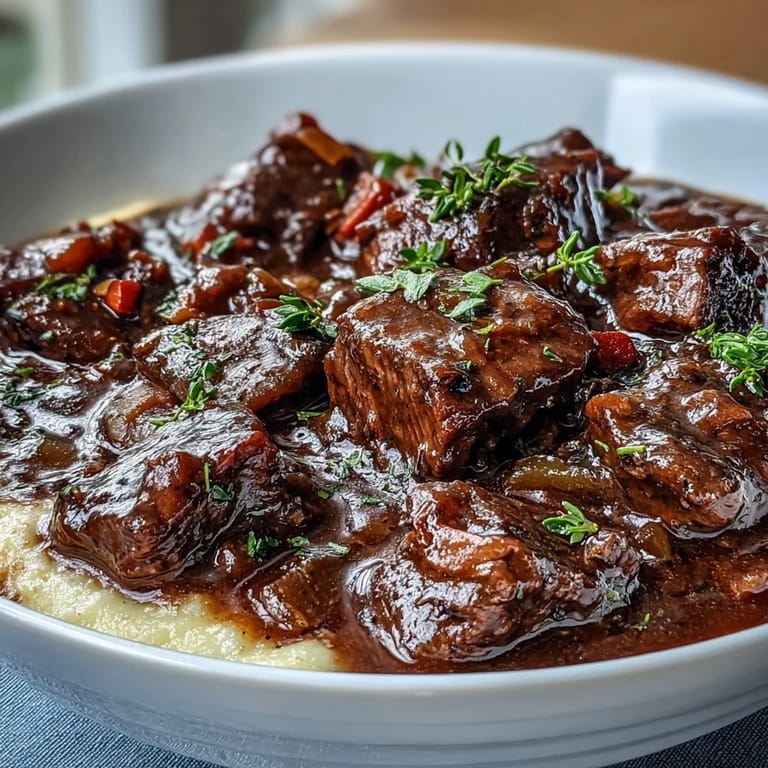
 There's something about a long-cooked stew that transforms the act of cooking into meditation. My hands got warm holding the wooden spoon, stirring every so often, the kitchen filling with steam and that impossible smell of autumn. By the time everything was ready, the venison had become so tender that it could be cut with the spoon, the sauce had deepened to almost burgundy, and somehow the whole thing felt less like following instructions and more like creating something alive.
Why This Works as Winter Food
Venison is leaner than beef, which means it needs the richness of cream polenta beside it and the fruit sweetness of sloe gin within it. The slow cooking breaks down the muscle fibers without drying the meat, and the polenta catches every precious drop of sauce. This isn't just dinner; it's a complete edible argument for why winter is worth celebrating.
Shopping for the Right Venison
Not all venison is equal; shoulder or stewing cuts are forgiving, with enough fat to keep the meat moist, while leaner cuts need more careful handling. Farm-raised venison is easier to find than wild and surprisingly consistent in quality. Ask your butcher if they have it in stock, and if they don't, they can almost always order it within a day or two.
Variations and Thoughts
The skeleton of this recipe is strong enough to play with, and I've learned this through happy accidents in the kitchen. A splash of red wine with the sloe gin deepens everything, making the sauce taste more wine-dark and brooding. If sloe gin is impossible to find, a good port wine or even a berry liqueur will work, though the flavors will shift slightly toward richness rather than that specific frosted-berry note.
- A handful of mushrooms added with the stock creates earthiness that echoes the forest the venison came from.
- Fresh parsley or thyme sprinkled over the finished bowl adds brightness that cuts through the richness.
- Pair this with a bold red wine like Shiraz or Cabernet Sauvignon if you're opening a bottle while cooking, because you deserve it.
 Save to Pinterest
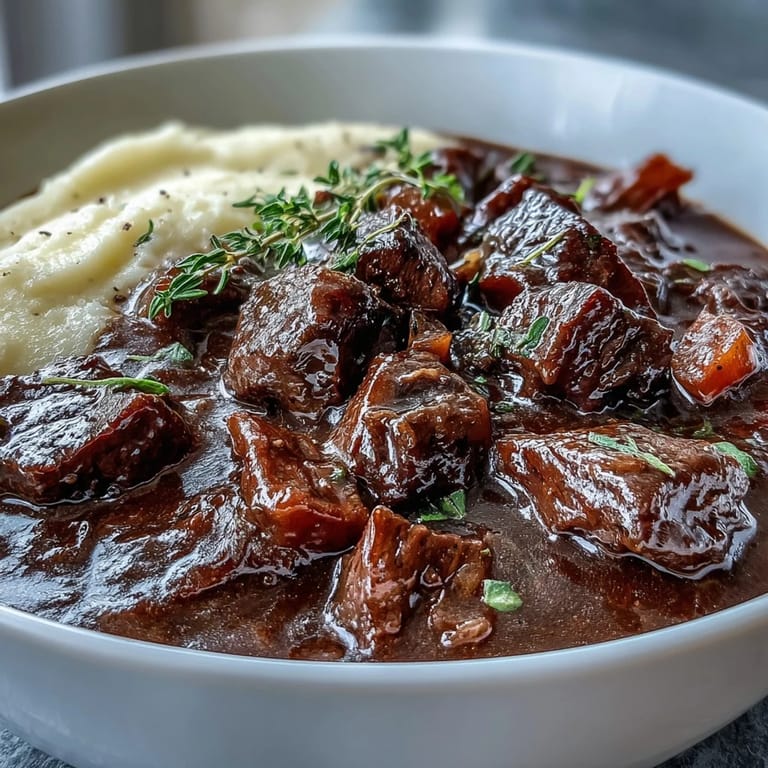
 This is the kind of meal that turns a quiet evening into something worth remembering. Serve it generously, and watch how people slow down around the table.
Answers to Recipe Questions
- → Can I substitute the venison with another meat?
Yes, beef chuck or lamb shoulder work well as alternatives. Use the same cooking time and method for best results with tougher cuts that benefit from slow braising.
- → What can I use instead of sloe gin?
Port, berry liqueur, or a combination of red wine with a tablespoon of blackberry jam make excellent substitutes that provide similar depth and fruity notes to the stew.
- → Can I make this dish ahead of time?
Absolutely. The stew tastes even better the next day as flavors meld. Prepare it up to two days ahead, refrigerate, and gently reheat. Make fresh polenta just before serving for the best texture.
- → How do I prevent the polenta from becoming lumpy?
Add the polenta gradually to simmering liquid while whisking constantly. Continue stirring throughout cooking to prevent lumps and ensure a smooth, creamy consistency.
- → What wine pairs best with this dish?
Full-bodied red wines like Shiraz, Cabernet Sauvignon, or a rich Côtes du Rhône complement the gamey venison and fruity sloe gin flavors beautifully.
- → Can I cook this in a slow cooker?
Yes, after browning the meat and vegetables, transfer everything to a slow cooker and cook on low for 6-8 hours or high for 4-5 hours until the venison is tender.