 Save to Pinterest
 My neighbor Sarah brought over a tin of these bars last spring, and I was immediately struck by how the Earl Grey perfume hit first, followed by this unexpected tropical warmth from the guava. I had to know how she made them, and when she explained the three-layer approach, I realized I'd been overthinking elegant desserts my whole life. The next weekend, my kitchen smelled like a fancy tea shop mixed with a tropical garden, and I understood why she'd kept the recipe close.
I made these for my book club meeting, and watching everyone's faces when they tasted them was worth every minute of prep. One friend actually closed her eyes after the first bite, which is always the sign that something worked.
Ingredients
- Unsalted butter (1 cup softened): This is your foundation for a tender crust, and softening it properly means you won't overwork the dough trying to incorporate it.
- Granulated sugar (1/2 cup for crust, 1 1/2 cups for filling): The crust sugar keeps things delicate, while the filling sugar balances the tartness of both the lemon and tea without making it cloying.
- All-purpose flour (2 cups for crust, 2 tbsp for filling): The crust flour creates structure, and the filling flour acts as a gentle thickener so you don't end up with a puddle.
- Fine sea salt (1/4 tsp for crust, pinch for filling): Salt amplifies every other flavor here, especially the tea's floral notes and the lemon's brightness.
- Earl Grey tea bags (2 bags total): Buy loose tea or good quality bags, because cheap tea tastes like nothing, and you're counting on this flavor to shine through.
- Guava paste (1 cup cubed): This is the tropical heart of the recipe, and its density creates that beautiful layer that holds everything together.
- Water (2 tbsp for guava): Just enough to loosen the paste without making it runny.
- Large eggs (4): Room temperature eggs incorporate air more smoothly, which gives you a lighter, more delicate curd-like filling.
- Baking powder (1/2 tsp): A small amount helps the filling rise just slightly so it's tender rather than dense.
- Freshly squeezed lemon juice (2/3 cup): Bottled juice tastes flat in comparison, and you'll notice the difference immediately.
- Lemon zest (1 lemon): Don't skip this, because the oils in the zest add a brightness that juice alone cannot deliver.
- Powdered sugar (for dusting): Add this just before serving so it doesn't dissolve into the bars.
Tired of Takeout? 🥡
Get 10 meals you can make faster than delivery arrives. Seriously.
One email. No spam. Unsubscribe anytime.
Instructions
- Heat your oven and prepare the pan:
- Set your oven to 350°F and line a 9x13-inch pan with parchment paper, letting the edges hang over the sides like little handles. This makes pulling the whole thing out later feel like a magic trick.
- Make the Earl Grey crust:
- Cream your softened butter with sugar until it looks almost mousse-like and pale, which takes about 2 minutes with a mixer. Add the flour, salt, and the tea leaves (open the tea bag and crumble the leaves right in), then mix until the texture resembles wet sand.
- Bake the crust base:
- Press this mixture firmly and evenly into your pan, using the bottom of a measuring cup to make sure it's compact and level. Bake for 18 to 20 minutes until the edges turn a light golden brown and the whole thing smells nutty.
- Warm and spread the guava layer:
- While the crust bakes, heat your guava paste with water in a small saucepan over low heat, stirring gently until it becomes smooth and spreadable, almost like jam. Remove it from the pan and spread it carefully over the hot crust as soon as it comes out of the oven, working quickly while the heat helps it settle.
- Prepare the lemon-Earl Grey filling:
- Whisk eggs with sugar until the mixture is pale and smooth, then add the flour, baking powder, tea leaves, lemon juice, zest, and salt, whisking until everything is fully incorporated and you don't see any flour streaks. The mixture should smell incredible at this point, like a tea shop and a lemon grove had a baby.
- Bake the filling:
- Pour this mixture carefully over the guava layer and return the pan to the oven for 15 to 18 minutes, until the center looks just set but still has the slightest jiggle when you gently shake the pan. You want it like a custard tart, not a cake.
- Cool and chill:
- Let the whole pan cool on a wire rack until it's completely room temperature, then refrigerate for at least 2 hours so the layers set properly and become easier to cut. This is the hardest part because they smell so good you'll want to dive in immediately.
- Cut and finish:
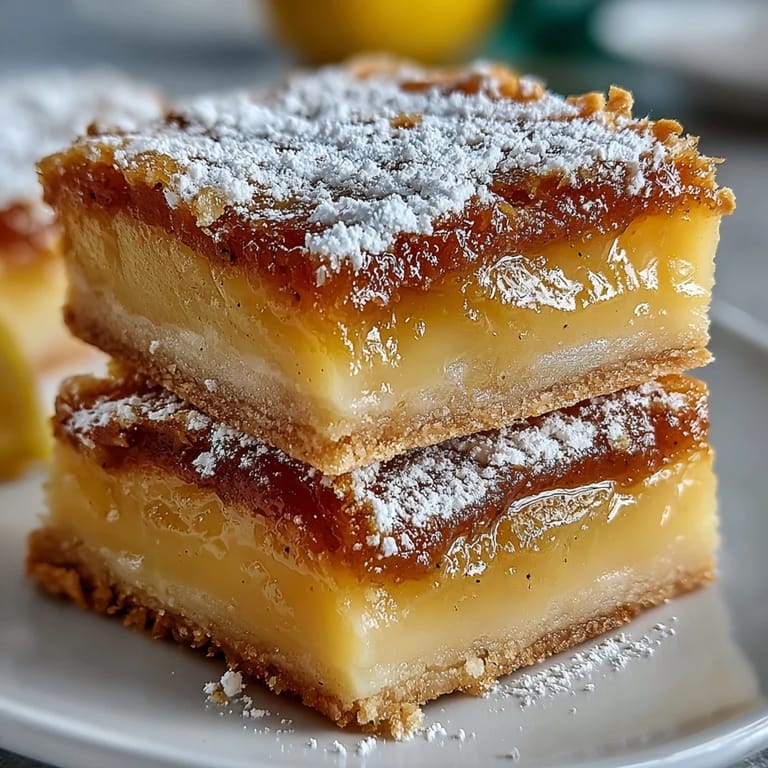
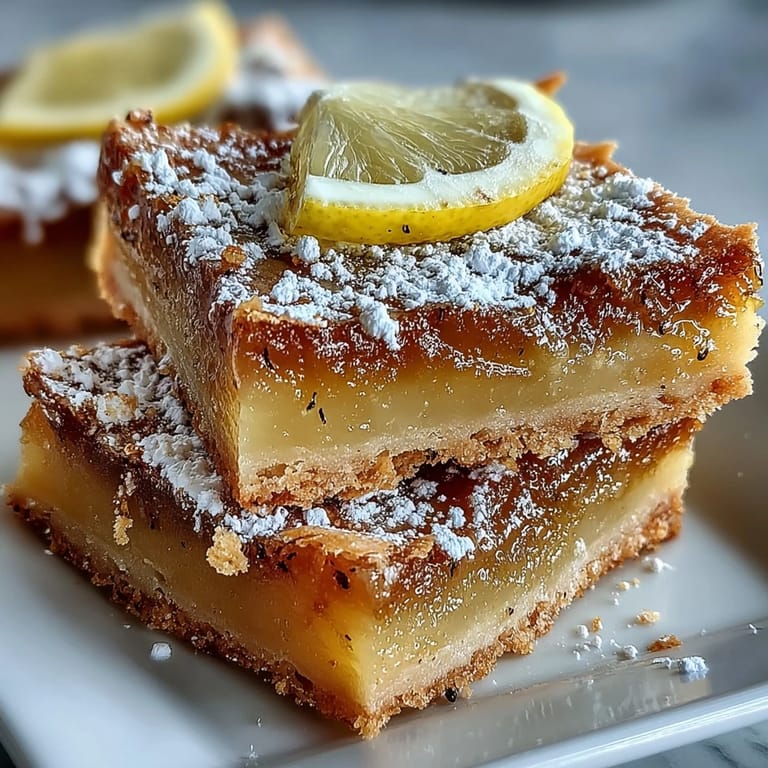
- Use the parchment overhang to lift the entire slab out of the pan, then cut into 16 squares using a sharp knife (a quick dip in hot water between cuts helps). Dust generously with powdered sugar just before serving so it catches the light and looks elegant.
 Save to Pinterest
 The first time I served these at a dinner party, someone asked if I'd trained as a pastry chef, which made me laugh because it was actually the easiest thing I'd made all week. That's when I realized the magic isn't complexity, it's knowing which flavors want to live together.
The Story Behind the Layers
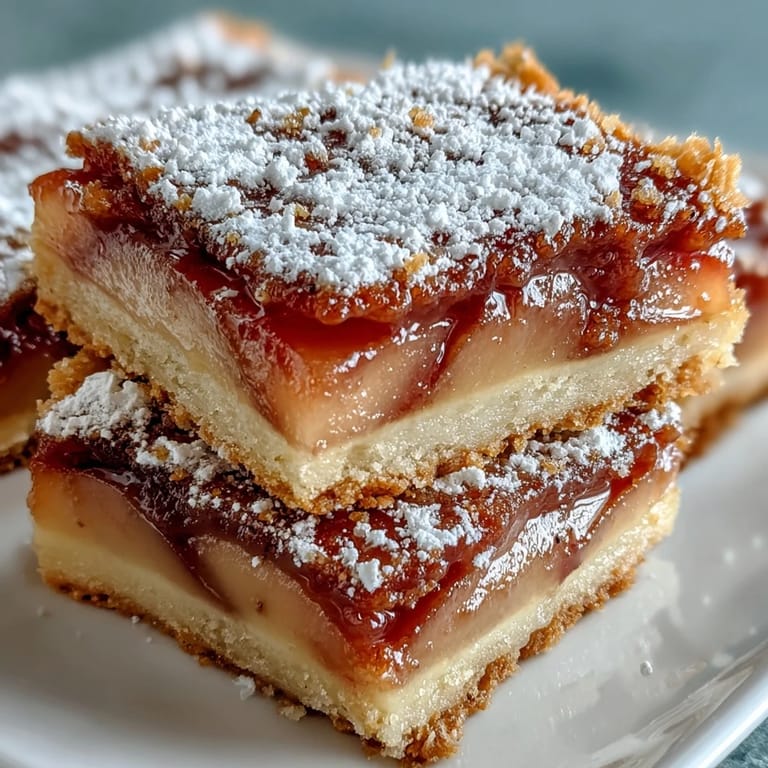
Each layer in this recipe has a purpose beyond just looking pretty. The crust provides a buttery anchor that keeps the guava from sliding around, while the guava acts as a flavor bridge between the delicate tea notes in the crust and the bright lemon in the filling. It's like three different conversations happening on the same plate, and somehow they all make sense together.
When to Serve These Bars
I've learned these bars shine most when you're not rushing through them. They're perfect for afternoon tea because they won't leave you feeling overstuffed, and their elegance makes even a casual gathering feel intentional. The flavors also get slightly more mellow after they've sat overnight, which means you can actually make them a day ahead of time.
Making It Your Own
The beauty of this recipe is that it begs for gentle tweaking once you understand how the pieces fit together. If you want the tea flavor to be more prominent, steep 2 tea bags in the lemon juice for 10 minutes before straining and adding it to the filling. You can also swap guava jelly for the paste if you prefer something less dense, though the paste creates better structure. Pair these with Earl Grey tea or even a light sparkling wine for an experience that feels restaurant-quality in your own kitchen.
- Steep tea bags in lemon juice beforehand for a deeper floral note.
- Guava jelly works if you prefer a lighter, less structured layer.
- Always let these bars chill completely before cutting so you get clean edges.
 Save to Pinterest
 These bars remind me that the best desserts are the ones that feel like a moment rather than just sugar on a plate. Once you master this recipe, you'll find yourself making them whenever you want to feel a little bit fancy.
Answers to Recipe Questions
- → What makes these bars unique?
The combination of Earl Grey tea's bergamot flavor with tropical guava creates a sophisticated fusion dessert you won't find in typical bakeries.
- → Can I make these ahead of time?
Yes, these bars actually improve after chilling overnight. They can be made up to 3 days ahead and stored in the refrigerator.
- → What's the best way to cut clean slices?
Chill the bars thoroughly before cutting, and wipe your knife clean between each slice. Use a sharp knife dipped in hot water for the cleanest cuts.
- → Can I use other tea varieties?
Lady Grey or English Breakfast work well, though Earl Grey's distinctive bergamot flavor is specifically designed to complement the guava and lemon.
- → How should I store these bars?
Keep refrigerated in an airtight container. The powdered sugar may dissolve slightly over time, so dust freshly before serving if needed.
- → What can I serve with these bars?
A cup of Earl Grey tea creates a beautiful flavor echo, or try with sparkling wine or prosecco for an elegant dessert course.