 Save to Pinterest
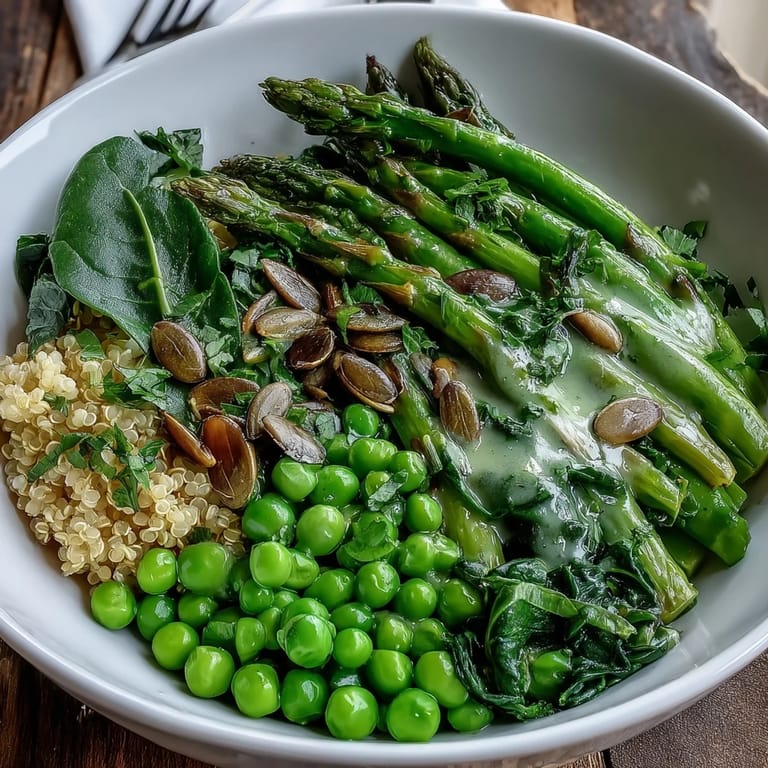
 I was standing in the produce aisle one April morning, staring at bundles of asparagus so green they practically glowed under the fluorescent lights. My cart was already half-full of peas still in their pods and a heap of tender green beans. I wasn't planning anything specific, just chasing that first-of-spring urge to eat everything bright and alive. By the time I got home, I realized I'd bought enough green vegetables to feed a small army, so I dumped them all into one bowl with some leftover quinoa and called it lunch.
The first time I made this for friends, I served it on mismatched bowls because I'd run out of the matching set. One of them said it looked like something you'd get at a café with expensive napkins, which made me laugh because I'd just been winging it with whatever was in the crisper drawer. We ate outside on the back porch with the windows open and the evening cool enough that we didn't need to rush. Someone asked for the recipe and I had to admit I'd made it up as I went.
Ingredients
- Quinoa, brown rice, or farro: Any hearty grain works here, quinoa cooks fastest and fluffs up light, while farro gives you a chewy, nutty base that holds up to all the vegetables.
- Fresh or frozen green peas: Frozen peas are secretly perfect because they're flash-frozen at peak sweetness, just don't overcook them or they turn mushy.
- Asparagus: Look for firm stalks with tight tips, snap off the woody ends instead of cutting them and you will know exactly where they naturally break.
- Green beans: Fresh beans should snap crisply when you bend them, trim both ends and cut them into pieces so they cook evenly.
- Baby spinach leaves: These wilt down to almost nothing in the pan, so don't be shy about piling them in.
- Extra-virgin olive oil: Use the good stuff here because it's not being cooked, you will actually taste the fruitiness in the dressing.
- Freshly squeezed lemon juice and zest: The zest is where all the fragrant oils live, don't skip it even if you're tempted.
- Dijon mustard: This is what holds the dressing together and gives it a subtle sharpness that balances the lemon.
- Maple syrup or honey: Just a touch to round out the acidity, you won't taste sweetness but you will notice if it's missing.
- Garlic clove: One small clove minced fine, raw garlic can be harsh so less is more here.
- Toasted pumpkin seeds or sunflower seeds: These add crunch and a slightly earthy flavor, toast them in a dry skillet until they smell nutty.
- Crumbled feta cheese: Optional but wonderful, the salty creaminess plays off the bright vegetables perfectly.
- Fresh herbs: Mint is my favorite here because it's unexpected, but parsley and dill are lovely too.
Tired of Takeout? 🥡
Get 10 meals you can make faster than delivery arrives. Seriously.
One email. No spam. Unsubscribe anytime.
Instructions
- Cook the grains:
- Rinse your grains in a fine mesh strainer until the water runs clear, this removes excess starch and keeps them from clumping. Bring salted water to a rolling boil, add the grains, then lower the heat and cover, you want a gentle simmer not a violent bubble.
- Prepare the vegetables:
- Blanching keeps the vegetables bright and tender-crisp, drop them into boiling salted water one type at a time so you can control the timing. The ice bath stops the cooking instantly and locks in that vivid green color, don't skip this step or they will turn drab.
- Sauté the spinach:
- Heat your skillet until a drop of water sizzles on contact, then add the spinach all at once. It will seem like too much but it collapses in seconds, just stir it around until it's barely wilted and still bright.
- Make the lemon dressing:
- Whisk everything together in a small bowl until it looks creamy and emulsified, the mustard helps bind the oil and lemon juice so it doesn't separate. Taste it and adjust the salt and lemon, it should be bright and punchy enough to wake up all those mild grains and greens.
- Assemble the bowls:
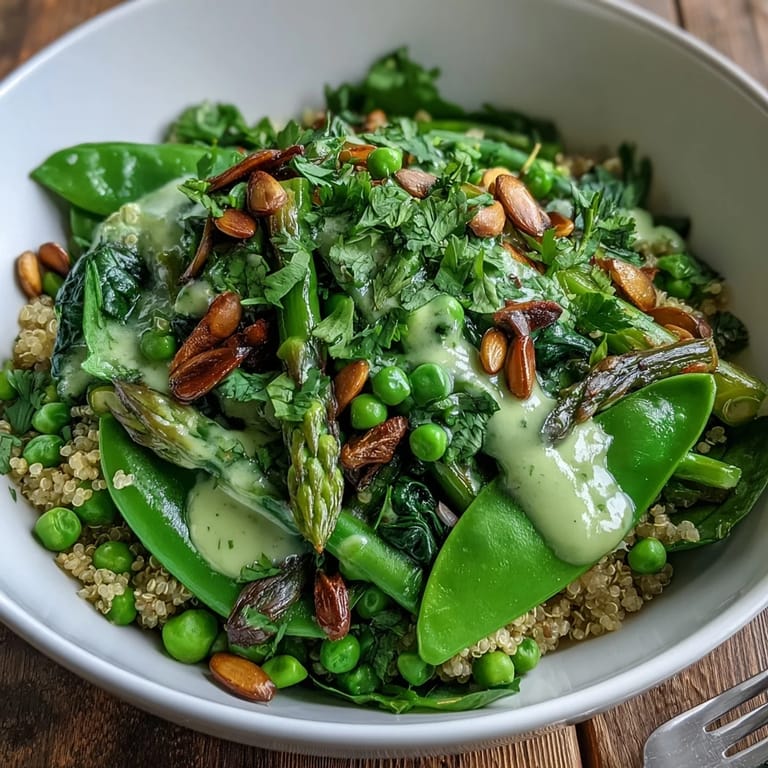
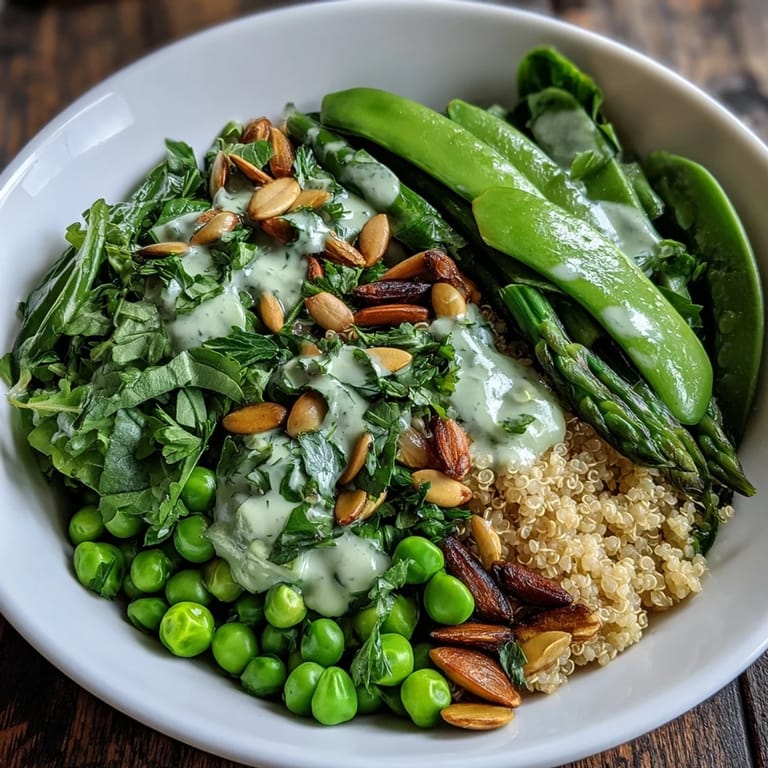
- Start with a generous scoop of warm grains, then arrange the vegetables on top in little piles instead of mixing everything together. Drizzle the dressing over everything right before serving, letting it pool in the grains and coat the vegetables.
- Garnish:
- Scatter the seeds and herbs over the top with a light hand, you want texture and color without overwhelming the bowl. If you're using feta, crumble it with your fingers so you get irregular chunks that melt slightly into the warm vegetables.
 Save to Pinterest
 There was an evening last May when I made this bowl after a long day and ate it standing at the counter because I was too hungry to bother sitting down. The lemon dressing dripped onto my wrist and I licked it off without thinking, which made me realize I'd finally figured out how to make something that tasted as good as it looked. I ended up sitting on the floor with the bowl in my lap, scraping up every last grain of quinoa and feeling grateful for vegetables that taste like sunshine.
Choosing Your Grain Base
Quinoa is my go-to when I'm short on time because it cooks in fifteen minutes and has this light, fluffy texture that soaks up the dressing beautifully. Brown rice takes longer but it's heartier and more filling, especially if you're serving this as a main dish instead of a side. Farro is my weekend choice when I have time to let it simmer, it stays chewy and adds a nutty depth that makes the whole bowl feel more substantial.
Getting the Vegetables Just Right
Blanching is one of those techniques that sounds fussy but makes all the difference, it keeps the vegetables from going limp and dull. I learned the hard way that you need to salt the blanching water generously, like pasta water, or the vegetables taste flat no matter how good your dressing is. The ice bath isn't optional, I tried skipping it once and ended up with olive-green beans that had cooked through from residual heat.
Making It Your Own
This bowl is forgiving in the best way, I've swapped in snap peas when I couldn't find green beans and added roasted chickpeas when I needed more protein. Sometimes I'll toss in leftover roasted sweet potato or a handful of arugula if the spinach looks sad. The dressing works on almost anything, so if you end up with different vegetables than the recipe calls for, just go with it.
- Try adding a soft-boiled egg on top for extra richness and a runny yolk that acts like a second sauce.
- If you want more heft, stir in a can of drained white beans or some cubed avocado just before serving.
- Leftover grains and blanched vegetables keep well separately for up to three days, so you can assemble fresh bowls all week.
 Save to Pinterest
 This bowl has become my answer to that restless spring feeling when you want something fresh but still filling. It's the kind of meal that makes you feel good while you're eating it and even better an hour later.
Answers to Recipe Questions
- → Can I use frozen vegetables instead of fresh?
Absolutely. Frozen peas work beautifully and don't require blanching—just thaw and toss. Frozen asparagus and green beans can also be used, though they may be slightly less tender-crisp than fresh. Simply cook them according to package directions before assembling your bowl.
- → Which grain works best for this bowl?
Quinoa cooks fastest and provides complete protein, making it ideal for quick meals. Brown rice offers nutty depth and chewy texture, while farro brings hearty Italian flair. Bulgur or couscous are excellent alternatives that cook even faster. Choose based on your time preference and taste.
- → How long does this keep in the refrigerator?
Individual components stay fresh for 4-5 days when stored separately in airtight containers. Keep the dressing in a small jar and the grains and vegetables in separate containers. For best results, bring everything to room temperature before assembling and add fresh herbs right before serving.
- → What protein additions work well?
Grilled chicken, pan-seared tofu, or roasted chickpeas complement the fresh vegetables beautifully. A soft-boiled or poached egg adds richness, while smoked salmon brings briny sophistication. For plant-based options, try marinated white beans or hemp seeds sprinkled on top.
- → Can I make this completely oil-free?
Yes. Replace the olive oil in the dressing with additional lemon juice mixed with a teaspoon of tahini or avocado for creaminess. You can also use vegetable broth or plain Greek yogurt as alternative bases. The vegetables can be steamed instead of blanched, eliminating the need for oil during cooking.