 Save to Pinterest
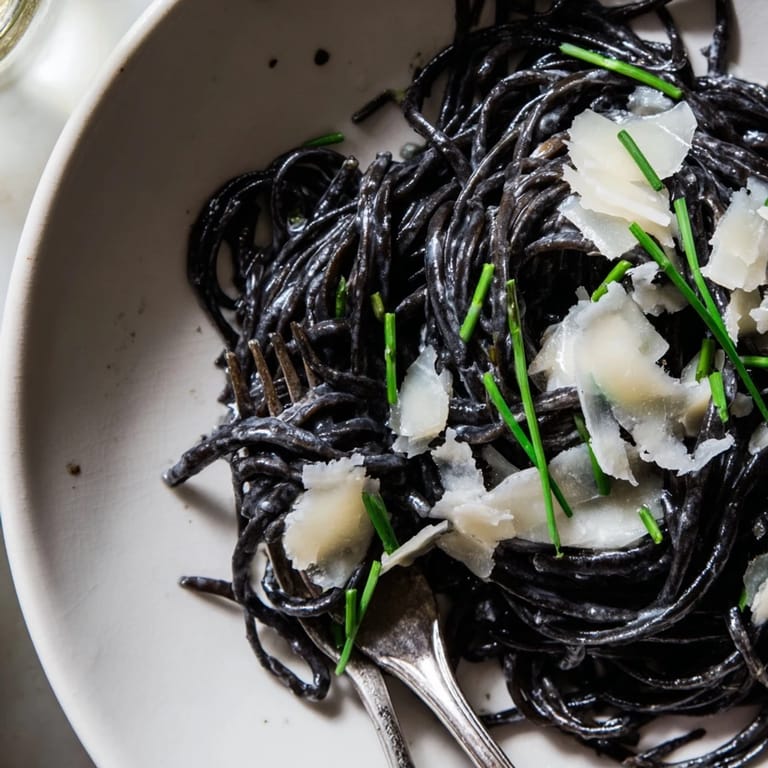
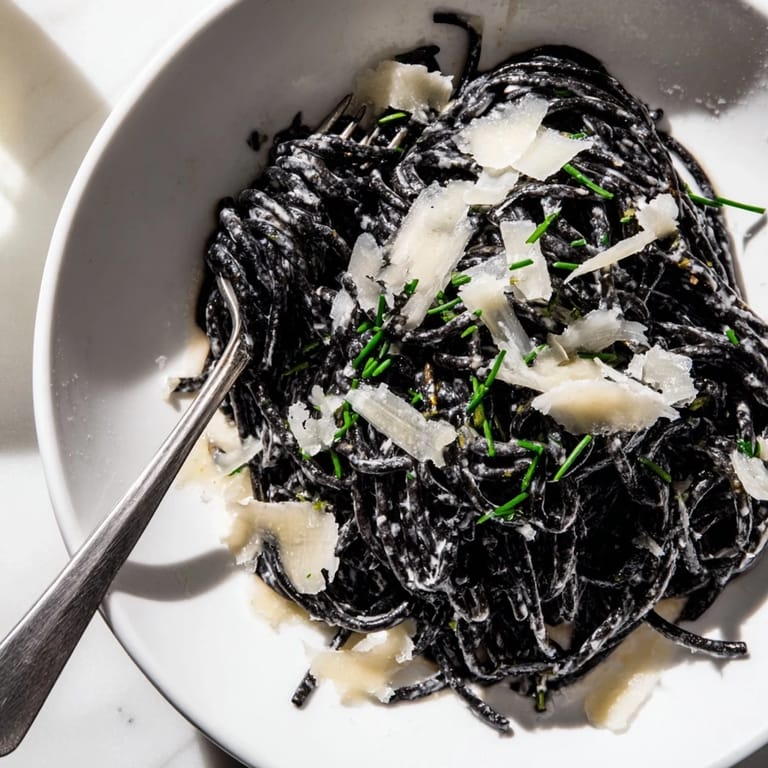
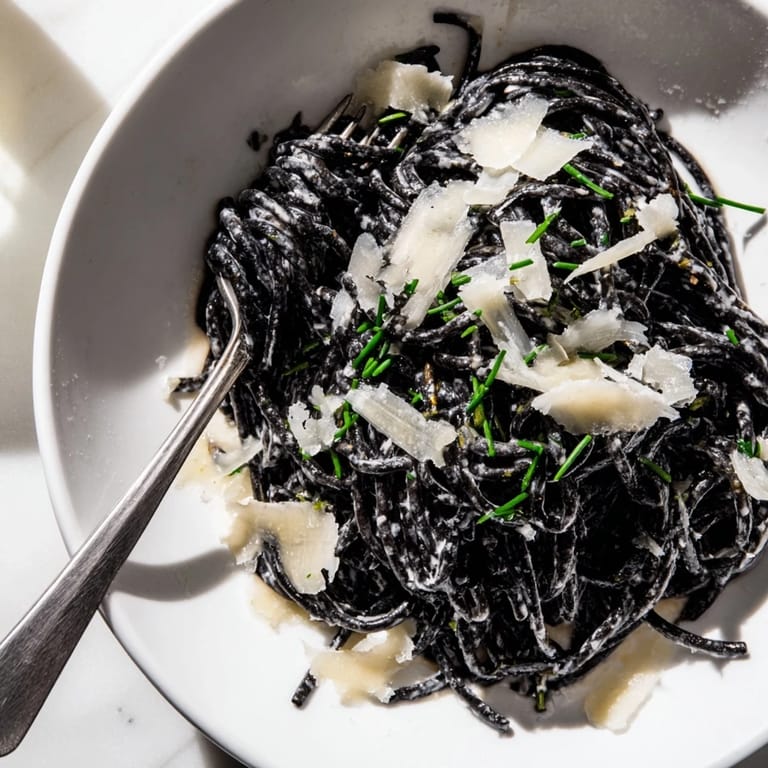
 The first time I saw squid ink pasta turning that dramatic inky black in the boiling water, I honestly thought something had gone wrong. I was cooking for friends who love adventurous food and wanted something that would stop conversation the moment it hit the table. The way the stark white cream sauce contrasts against those midnight black noodles still feels like magic every time I make it. My friend Sarah actually paused mid-story when I set the platter down, fork frozen in midair.
Last Valentine's Day, I made this for my husband who claimed he did not care about fancy food. He took one bite, looked at me with this completely serious expression, and asked if we could have it every anniversary from now on. Something about the richness of the cream sauce with that subtle ocean undertone from the squid ink just works in ways I cannot fully explain. The lemon zest cutting through the fat is what keeps you coming back for bite after bite.
Ingredients
- Squid Ink Pasta: The dried version holds its shape beautifully and releases a subtle brininess into the cooking water. Fresh is luxurious but dried is absolutely perfect for a weeknight when you want elegance without effort.
- Unsalted Butter: Starting with unsalted lets you control exactly how much salt goes into the final sauce. I have learned the hard way that salted butter can push this delicate sauce over the edge.
- Shallot: More subtle than onion and sweeter than garlic, shallots melt into the cream sauce leaving just a whisper of savory depth behind. Finely chopped so they disappear completely.
- White Wine: Something dry and crisp works best here. The alcohol cooks off completely but leaves behind this bright acidity that balances the heavy cream perfectly.
- Heavy Cream: Do not be tempted to substitute with half and half or milk. You need that fat content to create the silky texture that coats every single strand of pasta.
- Lemon Zest: This is the secret ingredient that makes the whole dish sing. It cuts through the richness and wakes up all the other flavors without adding liquid that would thin the sauce.
- Parmigiano Reggiano: The real stuff from Italy makes a difference here. It adds a salty umami punch that plays beautifully against the ocean notes in the pasta.
Tired of Takeout? 🥡
Get 10 meals you can make faster than delivery arrives. Seriously.
One email. No spam. Unsubscribe anytime.
Instructions
- Cook the pasta to perfect al dente:
- Drop that dramatic black pasta into boiling salted water and watch it transform. Fish it out a minute before you think it is done because it will continue cooking in the sauce later. Always save that cup of starchy cooking water before draining because it is liquid gold for fixing sauce consistency.
- Build the aromatic base:
- Let the butter foam until it smells nutty, then give the shallot time to really soften and sweeten. You want them translucent and almost melting into the pan, not browned or bitter.
- Add the garlic:
- Just thirty seconds is all you need. You want the fragrance to bloom without any risk of browning which would make the final taste bitter and harsh.
- Reduce the wine:
- Pour in the white wine and let it bubble away until the harsh alcohol smell disappears completely. The liquid should reduce by about half, leaving behind this concentrated wine flavor that will carry through the entire sauce.
- Create the cream sauce:
- Lower the heat completely before adding the heavy cream because high heat will cause it to separate. Simmer gently until it coats the back of a spoon, then stir in that lemon zest which will make everything taste brighter and fresher.
- Bring it all together:
- Add the drained pasta directly into the skillet and toss vigorously. The sauce should cling to every strand and coat everything in glossy richness. Add pasta water one tablespoon at a time if it needs loosening.
- Finish with flair:
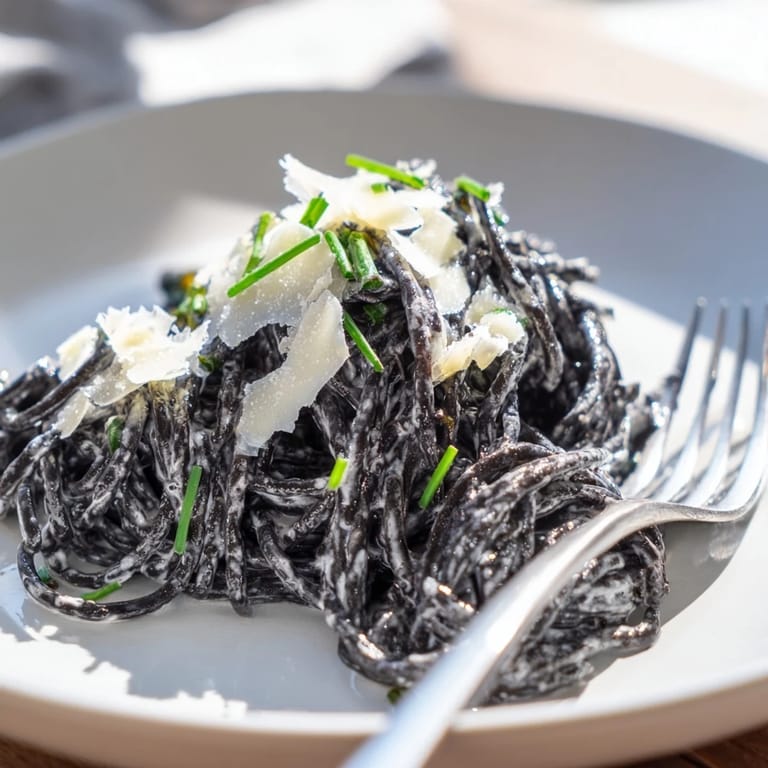
- Mound it onto warm plates and shower with cheese and chives right at the table. That moment when everyone digs in and sees the white sauce against the black pasta never gets old.
 Save to Pinterest
  Save to Pinterest
 My mother-in-law still talks about the night I served this, mostly because she was skeptical about black pasta until she took that first bite. The way the cream sauce picks up the subtle brininess from the squid ink creates this incredibly sophisticated flavor profile that somehow still feels comforting. It is become my go-to for those nights when I want to make something special without spending hours in the kitchen.
Making It Your Own
Sometimes I will quickly sauté shrimp or calamari in the butter before adding the shallot if I want to make it more of a complete protein-focused meal. The seafood only needs two or three minutes and will continue cooking in the sauce so do not overdo it. If you cannot find squid ink pasta, regular linguine works but you lose that dramatic presentation and subtle ocean flavor.
Wine Pairing Magic
A crisp Italian white like Pinot Grigio or Vermentino is perfect because it mirrors what is already in the sauce. The wine should be cold and have enough acidity to cut through the richness of the cream. I have discovered that serving the same wine in the sauce at the table creates this lovely continuity that people notice even if they cannot put their finger on why.
Getting The Timing Right
The biggest mistake I made when I first started making this was finishing the sauce too early and having it sit while the pasta cooked. Now I start the sauce only after the pasta water comes to a boil. Everything should come together in one rush at the end, with hot pasta hitting hot sauce and going straight to the table.
- Have all your ingredients prepped and measured before you start because the sauce moves quickly once you begin
- Warm your serving plates in the oven for five minutes because this dish needs to stay piping hot from start to finish
- Grate the cheese fresh because pre-grated cheese does not melt as smoothly into the sauce
 Save to Pinterest
  Save to Pinterest
 There is something deeply satisfying about serving a dish that looks so dramatically elegant but comes together in thirty five minutes. The way people lean in when you set the platter down, curious about this striking black pasta, never fails to make me smile.
Answers to Recipe Questions
- → What does squid ink pasta taste like?
Squid ink pasta has a subtle briny flavor with hints of ocean, similar to mild seafood. The taste is delicate and not overpowering, allowing it to pair beautifully with rich sauces like this creamy preparation.
- → Can I make this dish ahead of time?
The cream sauce can be prepared up to 2 hours ahead and gently reheated. However, cook the pasta fresh and toss with the sauce just before serving to maintain the perfect texture and prevent the sauce from separating.
- → Is squid ink pasta safe for people with shellfish allergies?
Traditional squid ink contains shellfish proteins and may trigger allergic reactions. If you or your guests have shellfish allergies, look for artificial squid ink pasta made with vegetable-based coloring instead.
- → What wine pairs best with this dish?
A crisp Italian white wine like Pinot Grigio, Vermentino, or Sauvignon Blanc complements the richness of the cream sauce while echoing the white wine used in the sauce itself.
- → Can I add protein to this pasta?
Yes, sautéed shrimp, scallops, or calamari work wonderfully with this dish. Cook the seafood separately and fold it into the finished pasta to maintain its delicate texture.